

European apple production down 16%, harvest stress in Italy and Western Europe
European apple production for 2026 is forecast at 9.5 million tonnes, a 16% decrease from 2025, marking the lowest harvest in nine years. Italian regions Trentino and Alto Adige report early harvests and lower yields due to extreme heat and water shortages.
According to Prognosfruit data, the 2026 European apple crop is estimated at 9.5 million tonnes, a 16% drop from 2025 and 14% below the three-year average. This is expected to result in the lowest European apple harvest since 2017. Italy, a key exporter, forecasts a total apple crop of 2,269,106 tonnes, down 2% year-on-year. Regional figures show Alto Adige expecting 1,034,690 tonnes (-2%) and Trentino 471,000 tonnes (-9%). The harvest in Trentino began around 10 days earlier than usual on 7 August, starting with Gala apples, due to record summer heat. While fruit quality appears good, heat and drought are expected to reduce average fruit size and may affect storability.
In Germany, Belgium, and France, prolonged high temperatures and drought have caused stress in apple orchards. The FAO highlights southwest Germany and eastern Belgium as particularly affected by water shortages. Belgian authorities expect notable losses in apples and pears, though consolidated figures are not yet available. In France, successive heatwaves and low soil moisture have raised concerns about fruit yields, especially in western regions.
Hungary is forecast to have its smallest apple crop in a decade, and Dutch apple production is also expected to fall from last year’s high. Lower harvests in these countries are increasing demand for imports from other EU suppliers, including Poland. The scarcity of apples in Western and Central Europe is expected to intensify competition among buyers, potentially influencing wholesale prices upward.
In Italy, the apple sector faces additional challenges from rising costs and unstable markets, especially in exports to Eastern destinations. Regional producer organizations are urgently seeking measures to improve water retention and irrigation infrastructure due to recurrent drought and heat stress.
Belgium’s Agency for Agriculture and Fisheries reports that apple and pear yields are threatened by a combination of low humidity and high temperatures, with early indications of up to 20% losses in some fruit crops. This situation may increase demand for imports in the coming months, including from Poland.
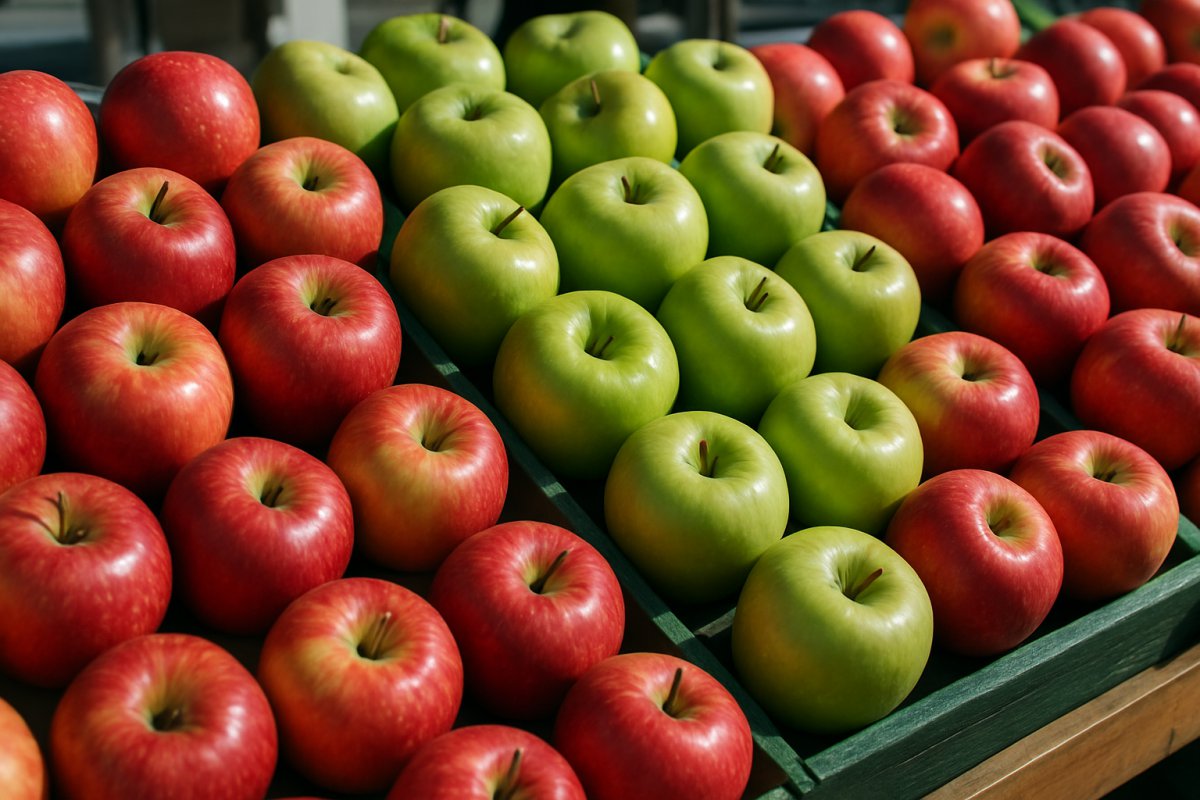
Material prepared by the editorial team of fresh-market.info, editor Artur Spiker · Illustrative image generated by AI