

European heatwave disrupts iceberg lettuce availability; Spain remains a core supplier for winter trade
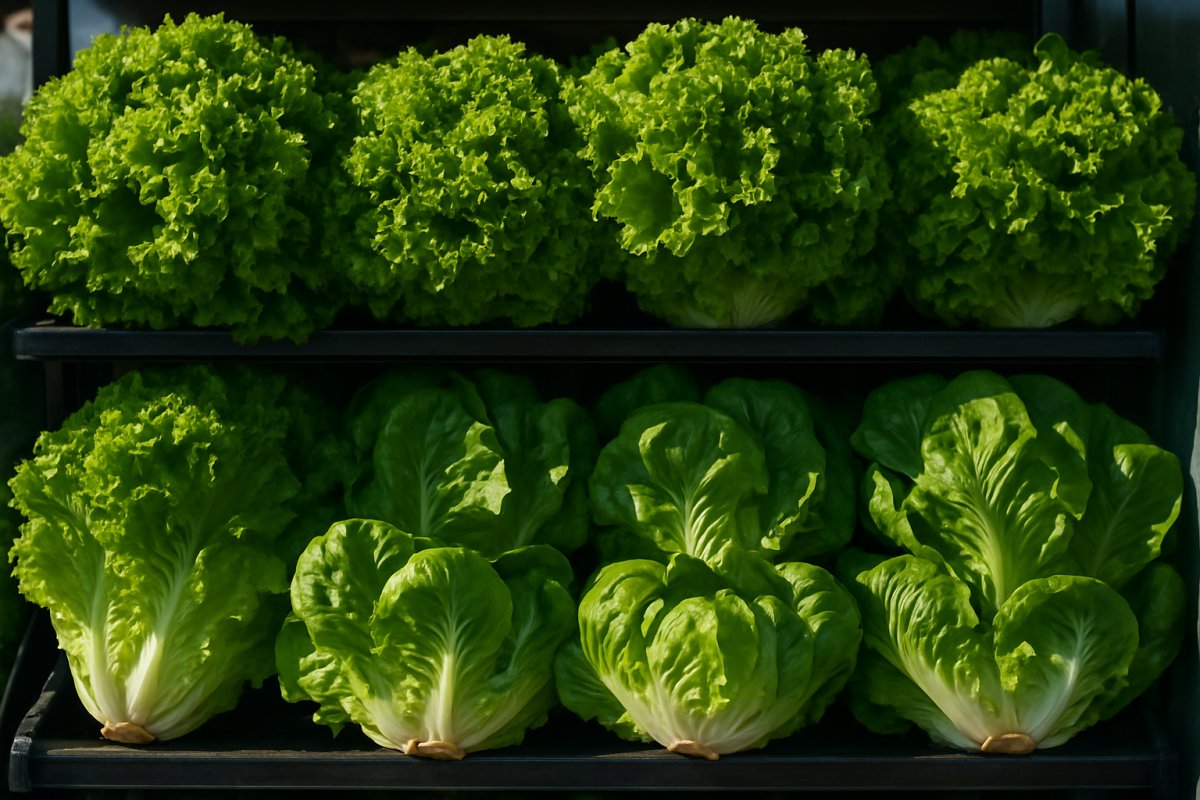
Heatwaves and drought are again putting pressure on the European leafy vegetable market in mid-August, with traditional outdoor iceberg lettuce exposed to irregular availability and price increases. In response, Dutch operators are testing hydroponic iceberg leaf lettuce aimed at more predictable supply for retail, foodservice and industry.
The European market for leafy vegetables is under summer pressure as heatwaves, drought and variable crop availability affect outdoor iceberg lettuce. The disruptions concern a weather-sensitive category in which extreme heat, lack of water and heavy rainfall can reduce regular supply and contribute to higher prices, although no current wholesale or export price quotations were reported.
In the Netherlands, Staay Food Group has introduced an iceberg leaf lettuce grown in controlled hydroponic greenhouses. The product is being tested on a limited scale and was developed for possible expansion if market demand supports it. It is supplied with a root ball for retail and can also be delivered without roots for foodservice and processing.
The new Dutch product uses a variety developed by Rijk Zwaan and is grown by Deliscious in a hydroponic environment. The commercial positioning is linked to demand from buyers for reliable availability of leafy vegetables at a time when outdoor iceberg lettuce faces more frequent weather-related interruptions.
Spain remains one of the main European origins relevant for iceberg lettuce trade into Central and Eastern Europe. Polish buyers source iceberg lettuce from Spain alongside citrus, stone fruit, greenhouse vegetables, broccoli, cauliflower, melons, avocados and mangoes, with November to May identified as the key period because outdoor vegetable production in Poland is limited then.
Spanish fresh fruit and vegetable exports reached 12 million tonnes in 2025 with a value of €18.666 billion. Export volume was 4% lower year on year, while export value rose by 4%; 97% of Spanish fresh fruit and vegetable exports went to European markets.
Material prepared by the editorial team of fresh-market.info, editor Artur Spiker · Illustrative image generated by AI