


Sharp drop in Ukrainian watermelon prices, stable to lower values in Spain and Italy
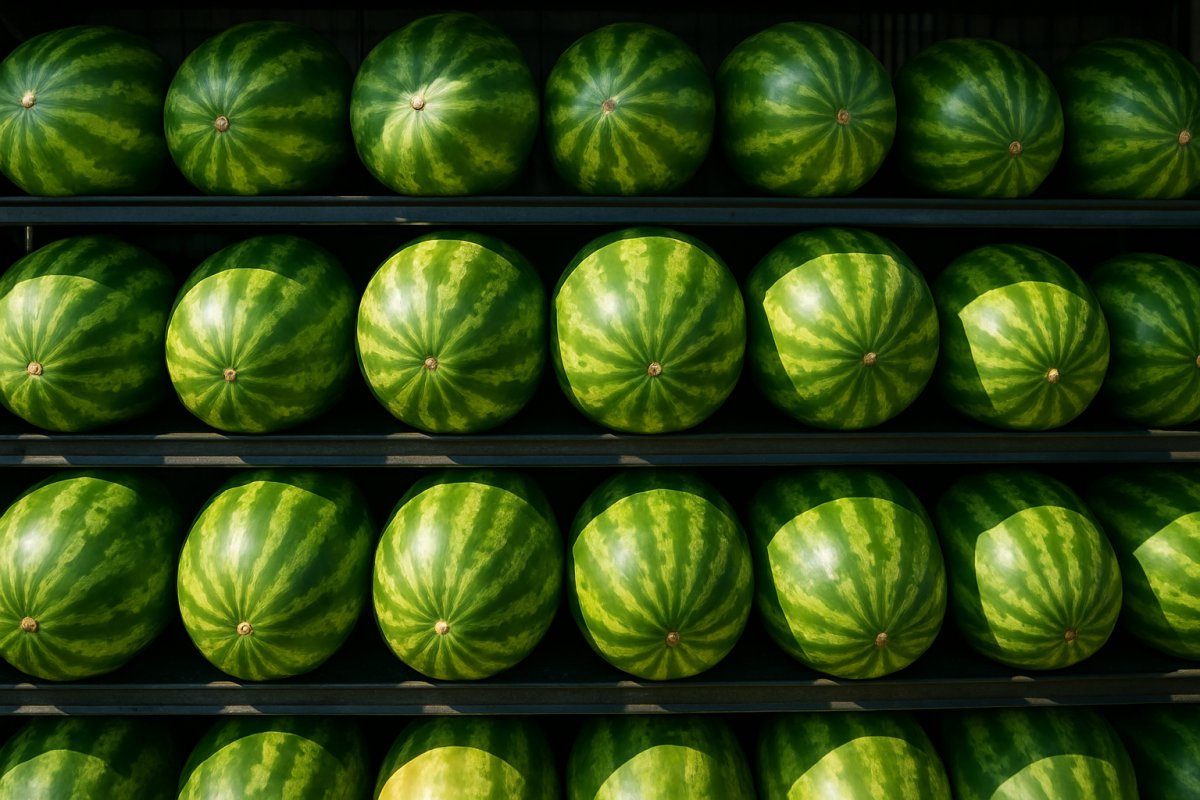
Watermelon prices in Ukraine declined by approximately 50% in week 30 of 2026, while Spain and Italy report stable to slightly lower prices amid good supply and strong summer demand.
In Ukraine, wholesale prices for watermelons dropped sharply by about 50% during week 30 of 2026, reflecting a surge in seasonal supply. Watermelon was the most actively offered product on regional trade platforms, with increased trading activity from Ukraine, Türkiye, and Iran, but with declining offers from Uzbekistan, Egypt, and Moldova. This price drop may increase the competitiveness of Ukrainian watermelons in export markets, including Poland.
In Spain, the latest price table from Castilla-La Mancha (session of 23 July 2026) shows first category seedless black watermelon at €0.21–0.23/kg, and second category at €0.13–0.15/kg. White watermelons (first category) are trading at €0.26–0.28/kg, with pollinator types at €0.08–0.10/kg. Spanish producers report strong demand, especially for striped and black watermelon varieties, driven by high temperatures across Spain and Europe. Companies such as El Melonero are increasing watermelon handling capacity, expecting further growth in volumes.
In Italy, wholesale watermelon prices showed a slight decrease, particularly for baby varieties, due to increased supply from central and southern regions. In northern Italian markets, hailstorms reduced local supply and supported prices. The intense heat across Italy has accelerated consumption but also caused losses in more delicate fruit. The average number of watermelon references in monitored retail outlets in Reggio Emilia rose from 6 in 2024 to over 8 in 2026, reflecting expanded assortments and innovation in the category.
Spanish and Italian exporters continue to supply watermelons to various European markets, including Poland, where price-sensitive buyers may benefit from the lower wholesale prices observed in Ukraine and stable pricing in Spain and Italy.
The 2025/26 season saw a smooth transition from winter imports (notably from Brazil, with good quality) to European production. Senegal experienced some supply shortages during the winter period, but no major disruptions were reported as Spanish and Italian harvests began.
Material prepared by the editorial team of fresh-market.info, editor Artur Spiker