


Spanish table grape supply steady amid price tensions and Egyptian competition in Europe
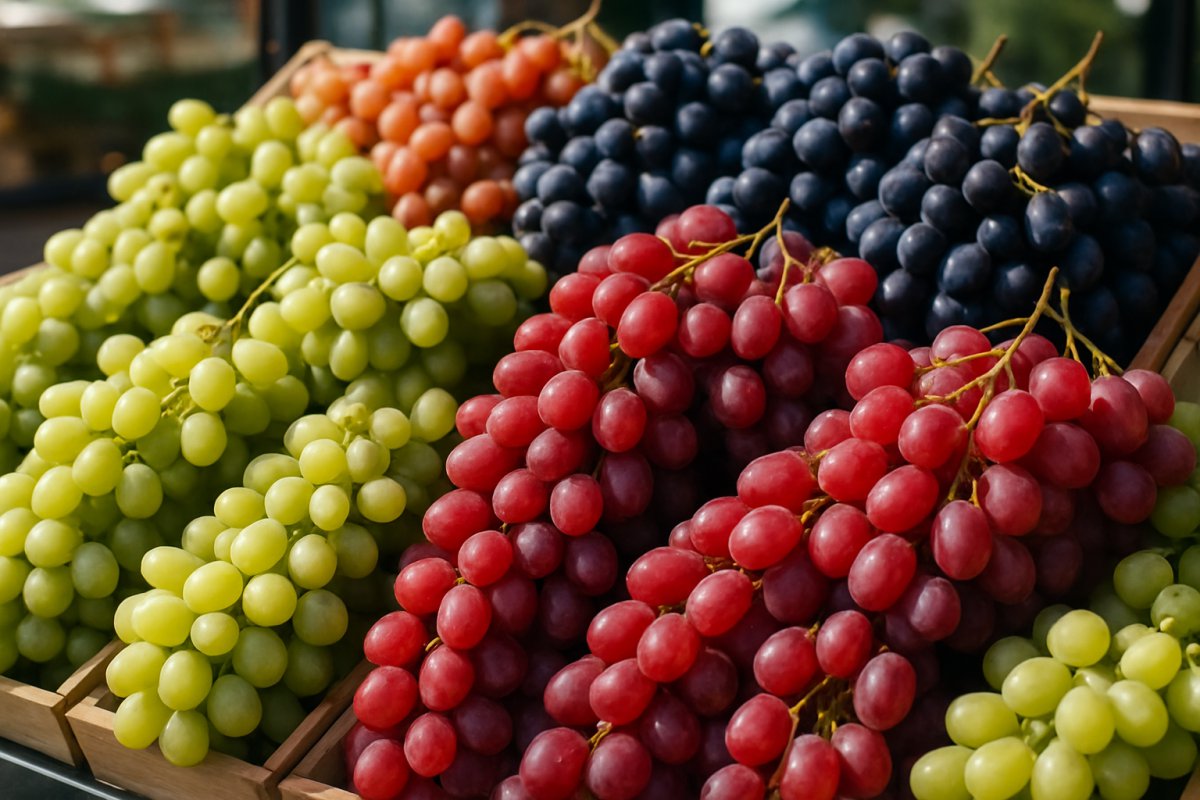
Spanish table grape producers in Murcia report stable supply forecasts of 250,000–260,000 tonnes for 2026, with ongoing price tensions linked to strong competition from Egyptian grapes on European markets.
Spanish table grape producers in Murcia expect to bring 250,000–260,000 tonnes to market in 2026, with volumes similar to the previous year. The campaign is progressing normally, though high temperatures have created weeks with increased grape availability. Trade is conducted on a weekly basis, and the sector notes that demand is currently aligning with supply.
Spanish exporters face intensified competition from Egypt at the start of the season. Egyptian grapes enter European markets earlier, offering a cost advantage and benefiting from access to crop protection products not permitted in the EU. This creates commercial pressure on Spanish producers, impacting negotiations and contributing to price tensions.
Wholesale and export prices for Spanish table grapes are described as under tension, with buyers seeking lower prices. Specific EUR/kg figures for the current campaign are not provided in the sources, but the market is characterized by week-to-week negotiation and a need for 'understanding' between producers and buyers to resolve pricing pressure.
Spanish companies continue to innovate in response to these challenges. Producers such as El Ciruelo and ITUM are introducing new varieties with improved climate adaptation, disease resistance, and extended harvesting calendars. The late-season ITUM21 red grape, for example, is being promoted to extend Spanish supply into October.
Climate change is influencing production strategies, with rising temperatures leading to changes in the location of vineyards and the varieties grown. Despite these challenges, Murcia remains a key hub for table grape exports to Europe, with most of its production destined for EU markets, including Poland.
Seedless grapes continue to gain market share in Europe due to consumer convenience, but traditional seeded varieties such as Aledo still maintain a significant presence, particularly at the end of the Spanish season.
Material prepared by the editorial team of fresh-market.info, editor Artur Spiker