
Low Raspberry Supply in Lublin Region, High Wholesale Prices at Bronisze
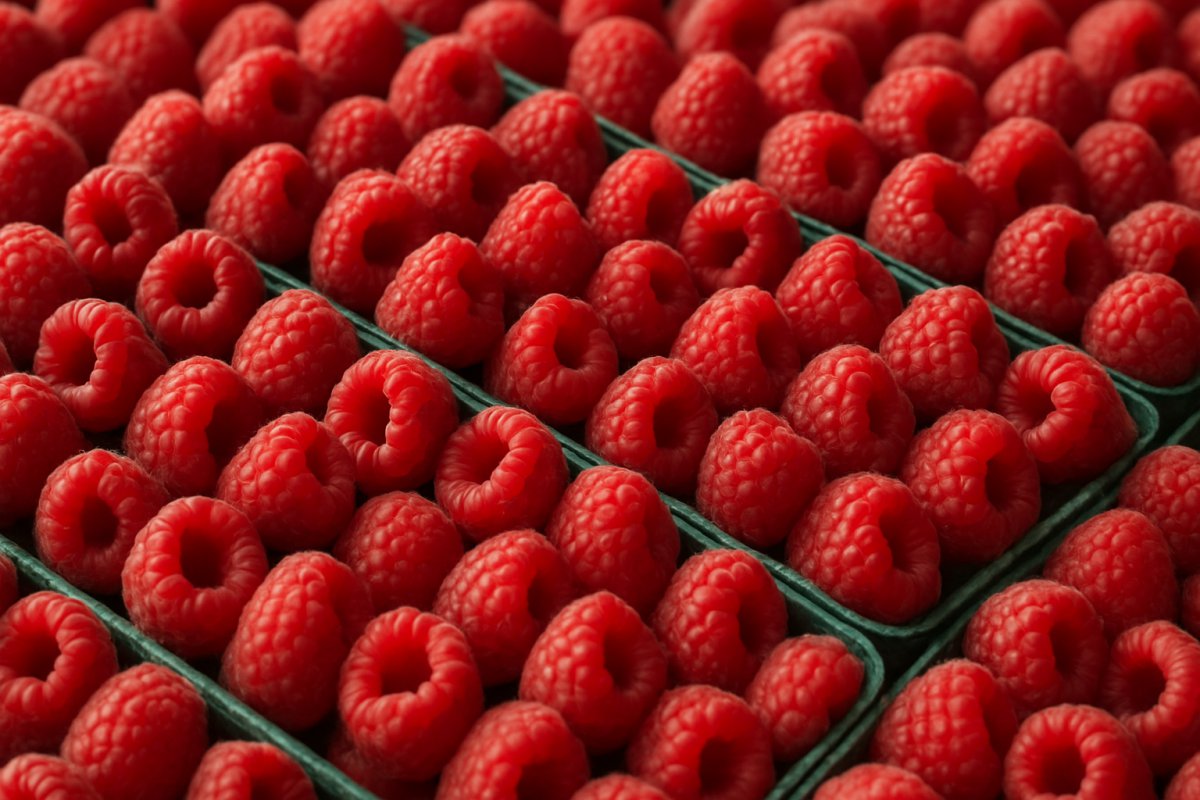
Raspberry yields in Poland have dropped sharply in the 2026 summer season, leading to high wholesale prices and limited availability of top-quality fruit. Imports from Ukraine and Bulgaria continue despite the domestic shortfall.
At the Bronisze wholesale market near Warsaw on 22 July 2026, raspberry prices ranged from €6.9/kg to €10.4/kg (30–45 PLN/kg), reflecting a tight domestic supply. Farm-gate prices for raspberries in the Lublin region during the third week of July reached €3.7/kg (16 PLN/kg) for PW class, €3.9/kg (17 PLN/kg) for first class, and €4.2/kg (18 PLN/kg) or more for extra class fruit. However, growers report that the share of extra class raspberries is very low this season due to poor quality and small fruit size.
Growers in the Lublin region, Poland's main raspberry-producing area, report severe yield reductions. Many plantations are harvesting only around 5 tonnes per hectare, half of what was expected. Even well-maintained Glen Ample plantations, which can yield 15–17 tonnes/ha in good years, are producing far less. The main reasons cited are spring frosts followed by high temperatures, which weakened plants and negatively affected both quantity and quality.
The shortfall in Polish raspberries has not been offset by a surge in domestic supply, and many processors have not been able to purchase the volumes of extra class fruit they require. As a result, demand remains strong, but limited supply is constraining trade. This has contributed to continued imports of raspberries from Ukraine and Bulgaria since early July, with visible transport activity between border regions and local processing plants.
Retail promotions are ongoing: between 20 and 22 July, major retailers such as Lidl offered Polish raspberries in a '1+1 gratis' campaign, further stimulating consumer demand amid the supply crunch. Despite these promotions, the overall market is characterized by high prices and limited availability.
The late raspberry varieties have not yet started flowering on many plantations at the end of July, indicating that the autumn harvest may begin only in the second half of September, subject to weather conditions and the risk of early autumn frosts.
Material prepared by the editorial team of fresh-market.info, editor Artur Spiker