

Cherry prices fall in Italy and Ukraine as supply surges; Turkish competition shapes EU market
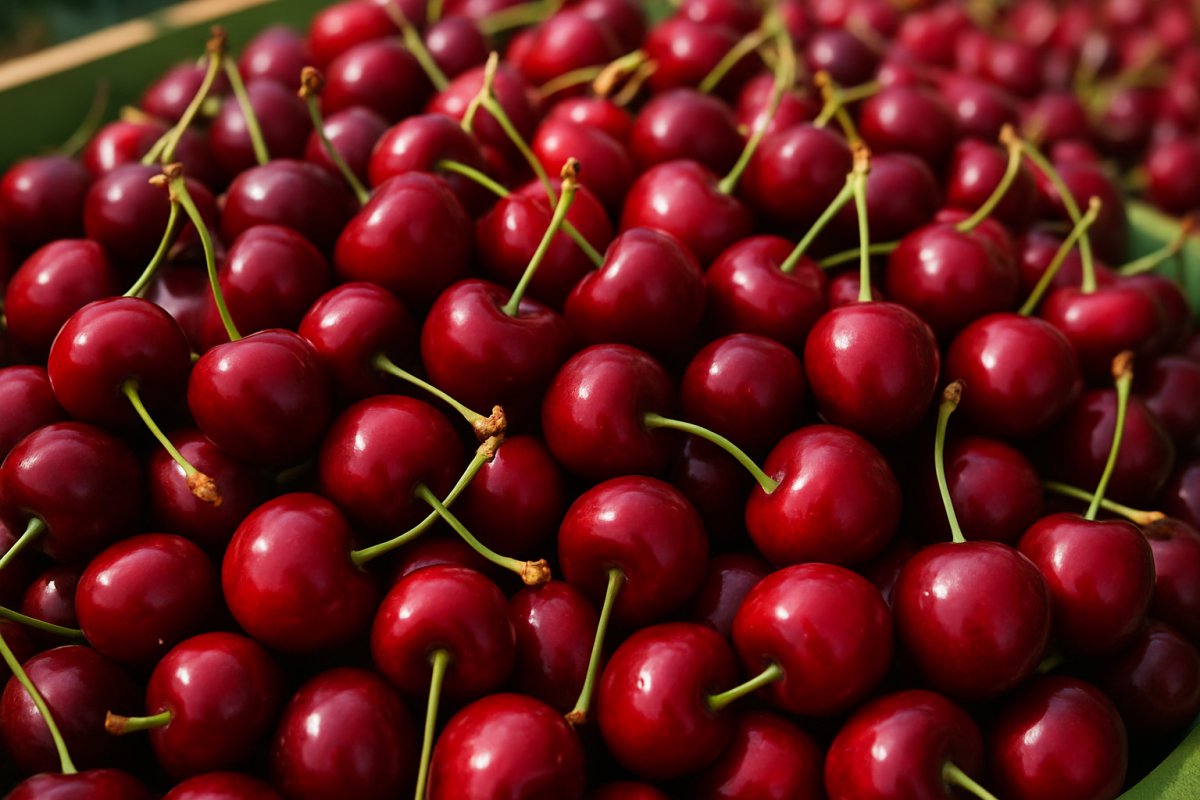
European cherry markets are experiencing downward price pressure due to high availability, with Italian wholesale prices ranging from €2.0 to €5.0/kg and Ukrainian farmgate prices dropping to €0.9–1.4/kg.
In Italy, the 2026 cherry season has brought significantly lower prices compared to the previous year. During week 26, wholesale prices for Italian cherries ranged from €2.0/kg for smaller calibres to €5.0/kg for larger fruit, a sharp decrease from the €5.0–10.0/kg seen in 2025. The main production regions, including Apulia and Trentino-South Tyrol, reported increased yields and good fruit quality. However, strong competition from Greece and Turkey has reduced Italian export opportunities, especially from late June onward, with exports mainly directed to Germany, Switzerland, Austria, the Netherlands, and Belgium.
Ukraine has reported a bumper cherry crop in 2026, surpassing initial expectations despite earlier concerns over frost and weather anomalies. The strong harvest has pushed farmgate prices down to 40–60 UAH/kg, equivalent to approximately €0.9–1.4/kg (using the July 2026 exchange rate). These prices are considerably lower than last year and are now comparable to or below those for raspberries and blueberries. High supply has benefited consumers but severely impacted grower profitability, especially given rising labour and input costs. The harvest is expected to continue for another week.
In Belgium, the cherry season has been marked by volatile weather, including rain, heatwaves, and hail threats, affecting both quality and yields. Some fruit experienced cracking due to excessive rain, while heatwaves required growers to use protective structures and cooling systems. Despite these challenges, a wide range of varieties has been available, supporting a season that runs from mid-May to end of July. The warm weather has boosted consumption but has also put downward pressure on prices.
Turkey remains a key supplier to European markets, with strong volumes influencing prices and competition across the continent. Turkish cherries continue to compete with Italian and Greek product, impacting export opportunities and price levels in recipient markets such as Germany and the Netherlands.
India has begun exporting Areko cherries from Jammu & Kashmir to the UAE, with growers receiving nearly 60% higher returns than domestic market prices for this premium variety. This development reflects a trend of expanding export supply chains and increasing international demand for high-quality cherries from non-European origins.
Material prepared by the editorial team of fresh-market.info, editor Artur Spiker