

Cherry wholesale prices in Italy and Ukraine fall as supply increases across Europe
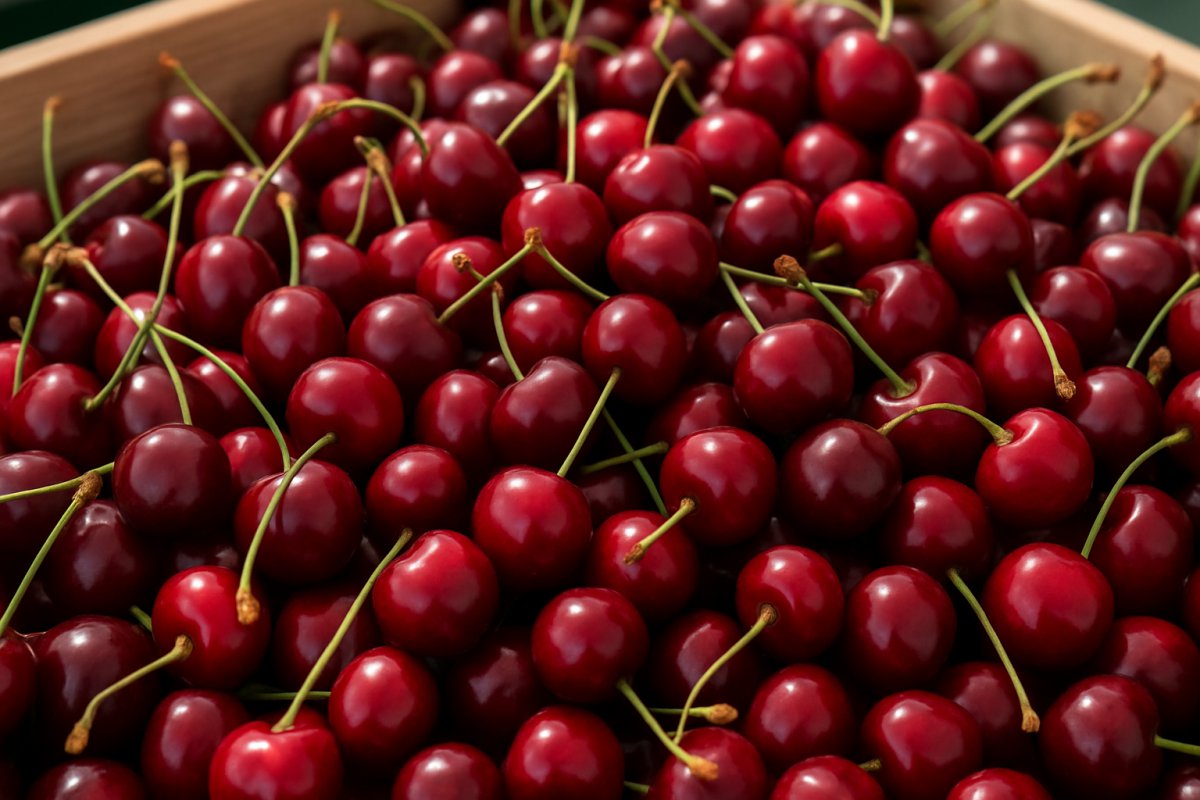
Cherry wholesale prices in Italy and Ukraine have dropped sharply in July 2026 due to abundant harvests, intensifying competition among European suppliers.
In Italy, wholesale prices for cherries in week 26 of 2026 ranged from €2.0/kg for smaller fruit to €5.0/kg for larger sizes. This marks a significant decline from last year's prices, which stood between €5.0 and €10.0/kg during a period of product shortage. The Italian harvest has benefitted from favourable weather, boosting supply and putting downward pressure on prices, especially as competition from Greece and Turkey increased from the second half of June. Italian Ferrovia cherries have been exported mainly to Germany, Switzerland, Austria, the Netherlands, and Belgium, while Bigarreau exports were limited and did not reach markets beyond the Alps.
Ukraine reported a record cherry crop in 2026, with yields exceeding expectations following initial concerns about spring frost. The surge in supply led to a collapse in grower prices, which fell to 40–60 UAH/kg (€0.9–1.3/kg) by the end of June, a fraction of previous years' levels. These low prices were driven by high availability, making cherries in Ukraine less expensive than raspberries or blueberries. Elevated production costs, especially for manual harvesting (up to 20 UAH/kg, or €0.5/kg), have put significant pressure on Ukrainian growers' profitability.
In the Netherlands, cherry production has been strong with excellent yields and good fruit size reported. However, a recent heatwave affected some sensitive varieties, causing quality issues such as sunburn. Dutch retailers, including Albert Heijn, have shown growing interest in larger cherries (32 mm+), increasing demand for premium fruit. Direct sales at farms and specialty outlets are also performing well.
Turkey remains a key supplier to European markets, competing strongly on price and volume. The influx of Turkish and Greek cherries in late June and July has intensified price competition across the continent, affecting market positions for traditional exporters such as Italy and Spain. European buyers continue to absorb substantial Turkish volumes, particularly as quality and availability improve seasonally.
The abundance of cherries and falling prices in Italy, Ukraine, and the Netherlands is likely to increase competitive pressure on Polish importers, leading to greater availability and potentially lower prices on the Polish market.
Material prepared by the editorial team of fresh-market.info, editor Artur Spiker