

Dutch, Spanish and UK cucumber supply shape European summer markets
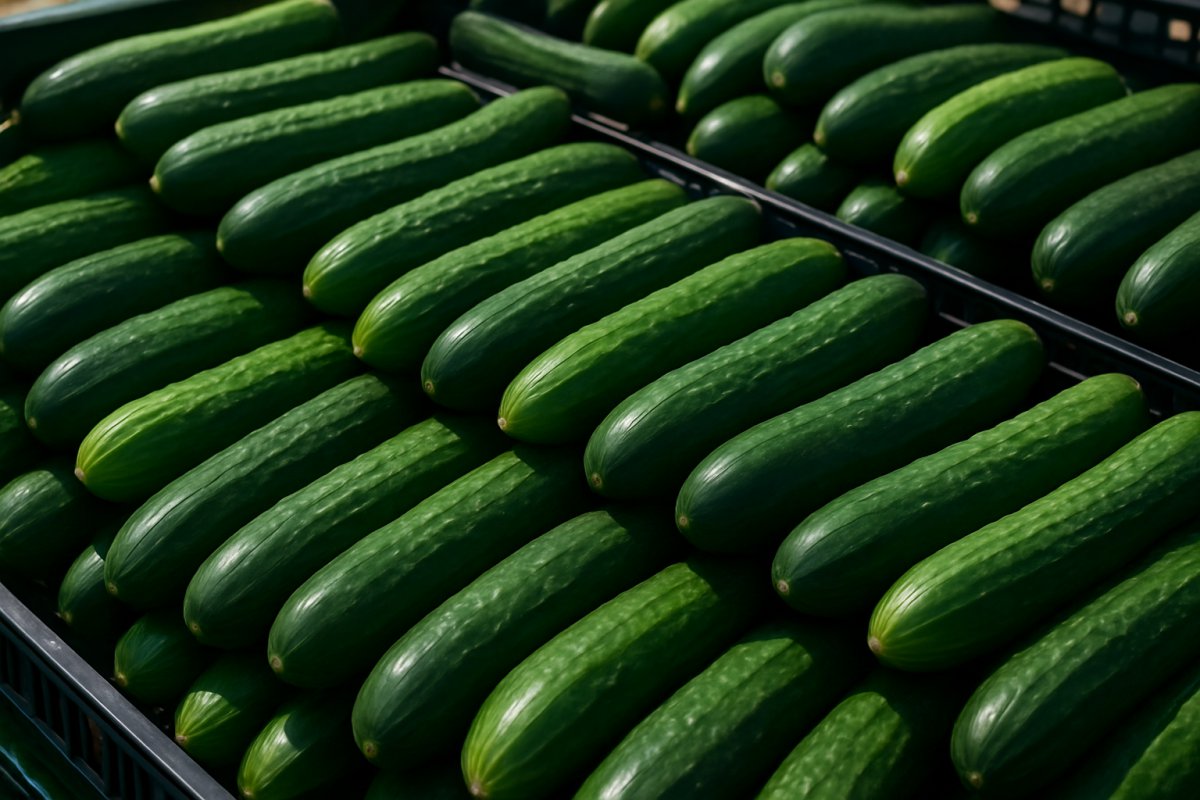
Dutch cucumber prices have been below the multi-year average since April 2026, with increased year-round supply from both domestic lit cultivation and Spanish winter production.
The Netherlands remains a leading supplier of cucumbers in the European market, with greenhouse acreage steady at 620–640 hectares in recent years. In 2025, the ten largest Dutch growers controlled 31% of the total acreage, up from 23% in 2015. Nearly half of all Dutch cucumbers are exported to Germany, 14% to the United Kingdom, 11% to Belgium, 2% to Sweden, 1% to France, and 7% to other countries, including Poland.
Dutch cucumber prices started strong in early 2026 but have been at or below the multi-year average since April. In 2025, average prices were slightly lower than in 2024. The adoption of supplementary LED lighting on about 25% of Dutch greenhouse acreage has extended the supply season and increased yields by up to 40–50% per square meter, reducing the traditional summer price peak.
During the winter months, Dutch importers continue to source cucumbers from Spain, which is Europe’s largest cucumber producer, particularly for off-season supply. These imports are often re-exported to neighboring markets, including Poland. Spain’s climate supports consistent winter production, maintaining its role as a key competitor for the Netherlands and Poland in the European supply chain.
Austrian grower Christian Zeiler has expanded cucumber production with greenhouses in Austria, Hungary, and, since this year, in the United Kingdom. This move follows requests from international retail customers, further diversifying supply sources for UK supermarkets and increasing competition from local and near-local growers in Western Europe.
In Germany, summer cucumber demand remains firm in major wholesale markets, supported by both Spanish and EU-grown greenhouse vegetables. The steady consumption is attributed to high seasonal temperatures and efficient logistics, with the Spanish product playing a significant role in market availability.
Dutch greenhouse cucumber businesses increasingly rely on combined heat and power installations to generate electricity for their own operations and for sale to the grid, supplementing their income from cucumber sales. This dual revenue model is becoming more important as price volatility increases and energy market dynamics evolve.
Material prepared by the editorial team of fresh-market.info, editor Artur Spiker · Illustrative image generated by AI