

European organic apple harvest smaller; South African exports shift focus
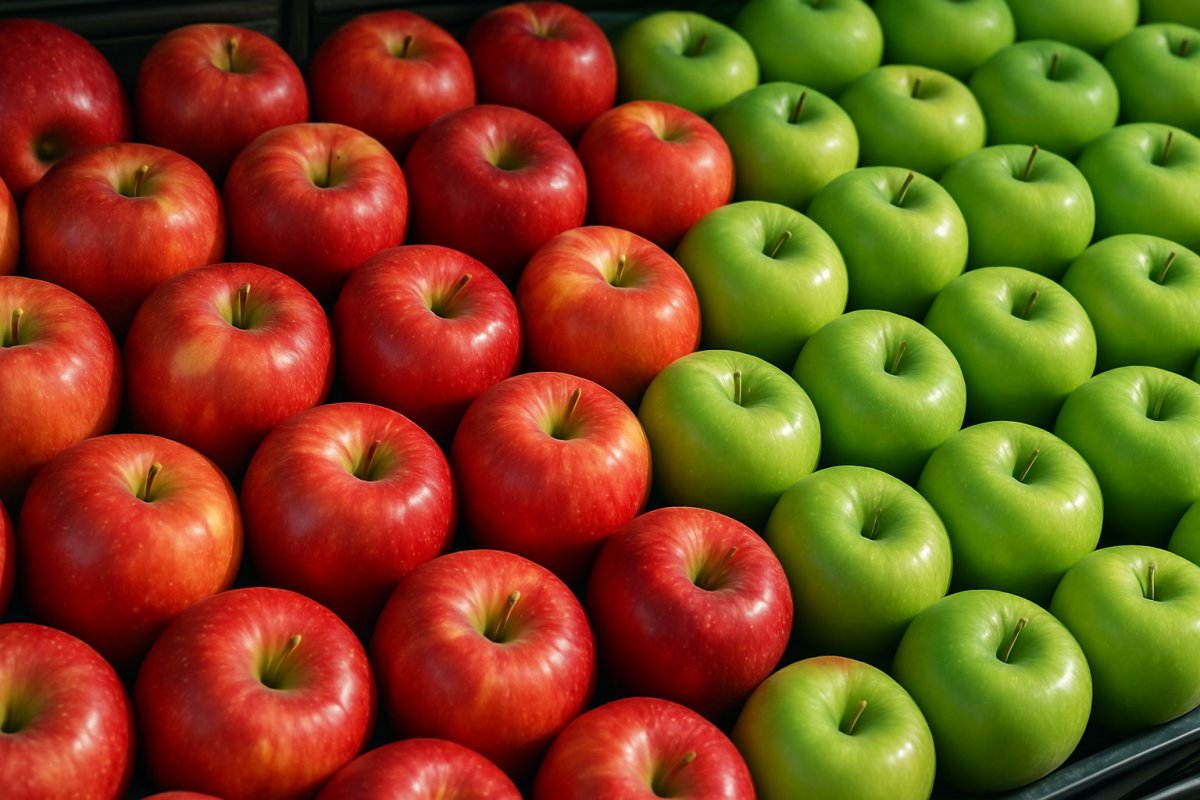
European forecasts indicate a smaller organic apple harvest for 2026, with expectations of slightly higher prices. South Africa is increasing apple exports to China, potentially impacting European export dynamics.
The European Bioobst Forum (EBF) presented its first 2026 harvest forecast for organic apples, expecting a smaller crop for the fresh market across member countries. This reduction, partly due to hail damage in several regions, is anticipated to support slightly higher prices for organic apples in Europe during the upcoming season. No specific wholesale or export price figures were provided for organic apples, but the trend suggests a firmer market compared to previous years.
Organic apple demand continues to increase in Europe following post-pandemic stagnation, with consumption forecasted to grow further by 2027. This growth is reflected in the international organic apple market, where US-based Honeybear Brands reported organic apple sales of $740 million in 2025—a 6% year-on-year increase. The company plans uninterrupted supply in 2026 through coordinated sourcing from both Northern and Southern Hemisphere growers, focusing on five core varieties: Honeycrisp, Gala, Fuji, Granny Smith, and Pink Lady.
South African apple exports have remained steady over the past five years, but in 2026, the focus is shifting due to increased exports to China following a zero-tariff policy. In 2025, South Africa exported 1 million boxes of apples to China, securing its position as China’s second-largest apple supplier. As South Africa enters its peak export season, Shanghai-based importers report significantly higher volumes compared to the previous year, with strong sales of varieties such as Flash Gala and Royal Gala Red. This redirection of South African apples to Asian markets may tighten availability for traditional European buyers, including Poland.
In the European conventional apple market, the end of the dessert apple trading season brought a noticeable drop in both domestic and export demand. High availability of standard apple varieties across Europe, combined with subdued buyer interest, led to declining prices. For example, the average farm-gate price for first-class dessert apples in late June and early July was €0.34/kg (1.46 PLN/kg), nearly 10% lower than the previous month. Prices for export-oriented varieties such as Gala and Red Delicious saw less pronounced decreases, as their supply remained limited after earlier price drops in spring.
Packaging trends in Spain and other European countries show a continued shift toward more sustainable materials, such as cardboard trays and recycled plastic baskets, to meet retailer and consumer requirements. The industry is also adopting automation and advanced labeling to improve efficiency and traceability in the fruit supply chain.
Material prepared by the editorial team of fresh-market.info, editor Artur Spiker