
Italian, Greek and Turkish cherries shape EU market as supply surges and prices remain high
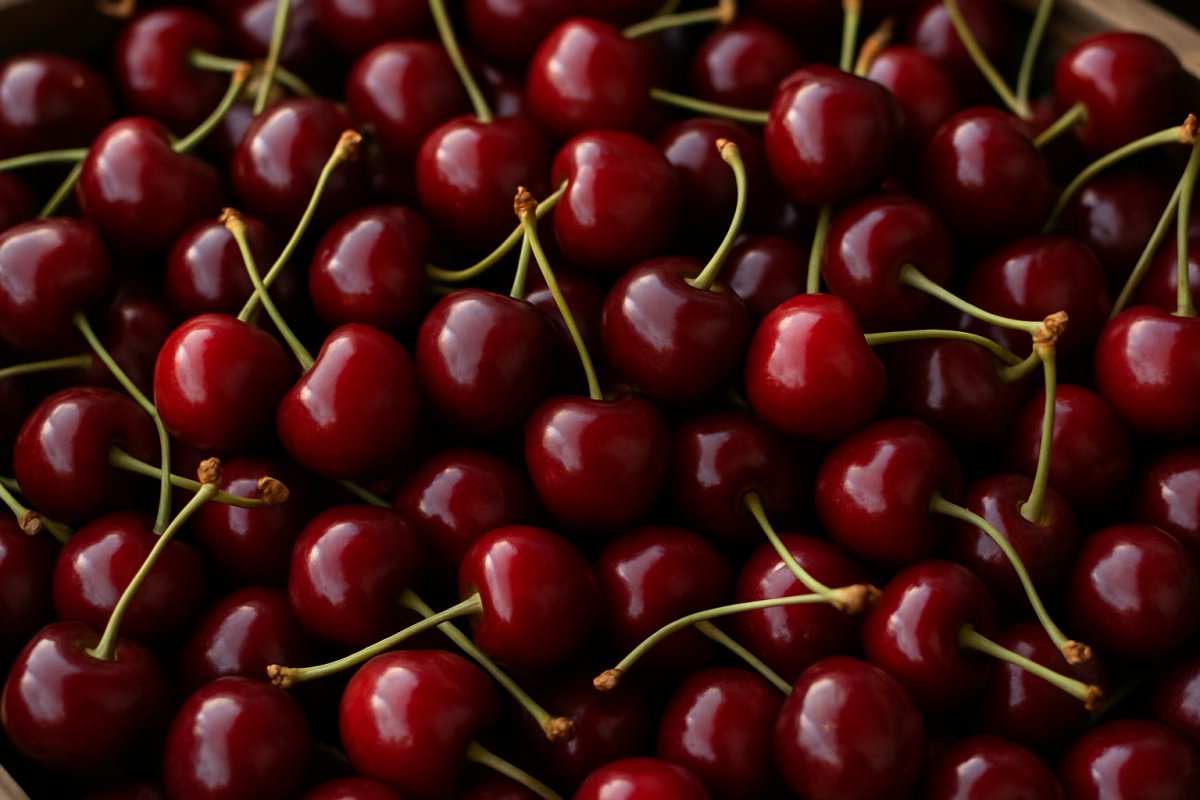
Wholesale prices for Trentino cherries in Italy reached €6.0/kg in mid-July 2026, supported by robust demand despite a short, intense harvest period.
In Italy, wholesale prices for Trentino cherries stood at €6.0/kg during the week of July 14, 2026. Demand remained high across the country, especially for premium cherries from Trentino and Veneto hill regions. The Italian harvest was marked by accelerated ripening due to sustained high temperatures, particularly in the Vignola area, where late May saw daytime highs of 32–33°C. This led to a rapid and overlapping harvest window for major production zones, resulting in a significant concentration of supply in a short timeframe.
The 2026 Italian cherry campaign was characterized by a record yield, with producer group Agrintesa reporting over 3,000 tonnes of IGP-certified cherries harvested. The overlap with Puglia’s later crop and the early start in Trentino, combined with the full return of Turkish and Greek cherries to the European market, created an excess of available product during peak weeks. This situation increased competitive pressure among suppliers, particularly in export and wholesale channels.
On European trading platforms, sweet cherry sales volumes dropped by half during week 28 of 2026, despite increased availability from Türkiye and Greece. Sellers from Iran and Egypt also posted fewer offers, while advertisements from Greece returned to the market, indicating a renewed export push. Meanwhile, Polish retail chains continued to offer imported cherries from Greece and Turkey, even at the peak of the domestic Polish season, reflecting the strong presence and competitive pricing of these origins in Central Europe.
The 2025 season saw exceptionally high prices for northern Italian cherries due to weather disasters in Turkey and Greece, but in 2026, the return to normal production in these countries restored competitive dynamics. Italian producers faced operational challenges managing the compressed harvest and elevated throughput, but the market absorbed the bumper crop thanks to steady demand and the premium positioning of IGP-certified fruit.
New AI-based grading technologies are being adopted by cherry packers in Europe to maintain consistency and quality during high-volume periods. These systems are designed to accommodate natural fruit variability and could further support the competitiveness of southern European cherries in export markets.
Material prepared by the editorial team of fresh-market.info, editor Artur Spiker