
Italian watermelon wholesale prices collapse to €0.30/kg amid high supply and weak demand
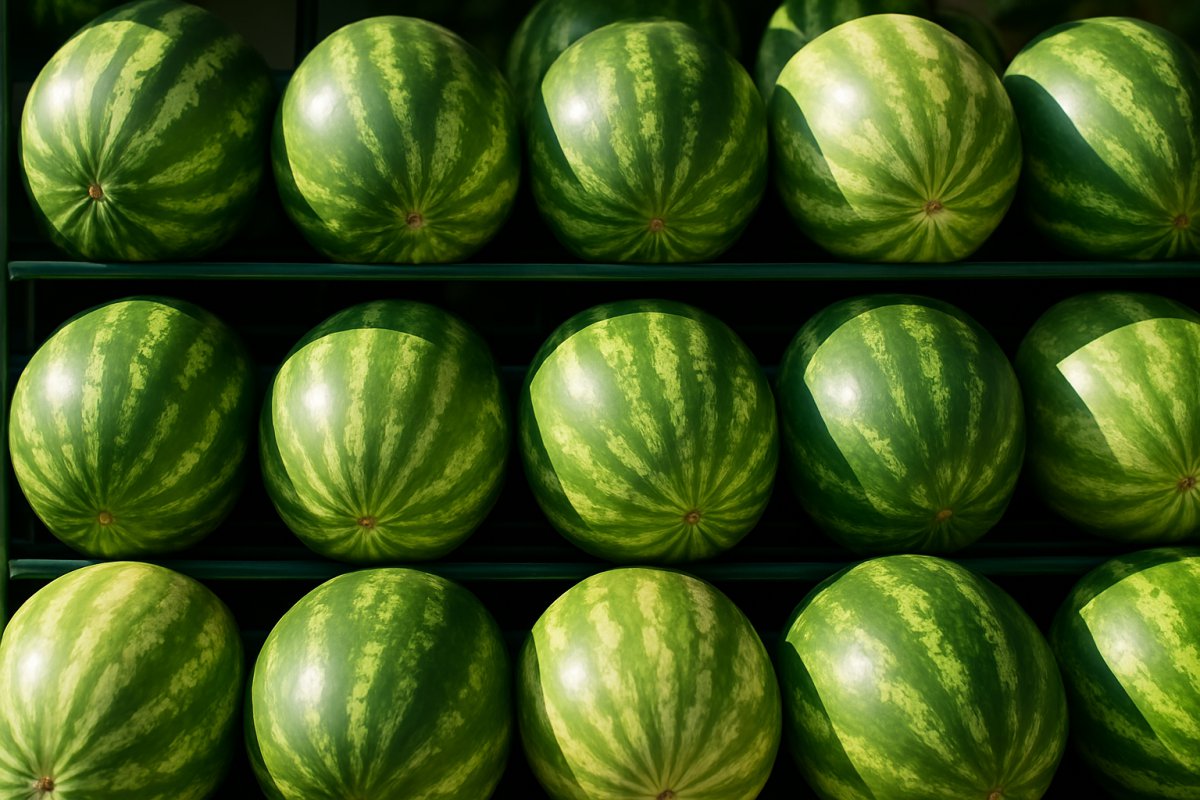
Wholesale prices for Italian watermelons have dropped sharply to €0.30/kg in July 2026, following a period of high prices and now sluggish demand across European markets.
In Italy, the wholesale price for watermelons from the Agro Pontino region has fallen from €0.90–1.00/kg in May–June to just €0.30/kg in July 2026. This price drop is attributed to a strong supply peak and a reported 60% decline in sales volume versus expectations, despite a warm summer. The Italian watermelon harvest began earlier with high prices but quickly shifted to oversupply and weak demand across wholesale markets.
Spain remains the leading European producer, with 12,272 hectares cultivated in the 2025/2026 season (an 11% increase year-on-year). Spanish watermelon exports are focused on Germany, France, the Netherlands, and Poland, with a growing share of mini (1–2 kg) and midi (2.5–4 kg) types reflecting shifting consumer preferences in Western and Central Europe. In Spain, over 96% of lots passed quality controls, with an average Brix level of 10.38. Wholesale prices in Spain and Greece have also been pressured downwards in July due to peak supply and strong competition.
Greece’s watermelon sector in 2026 is facing a glut of organic watermelons after a delayed harvest caused by a cold winter. Around 200,000 kg of organic watermelons remain unsold as supermarket contracts have expired and local sourcing takes priority in organic retail channels, especially in Austria and parts of Western Europe. In the Netherlands, the lack of local production means Greek organic exports still find some market, but overall, Greek exporters are facing challenges placing remaining volumes.
In Spain’s Castilla-La Mancha region, the 2026 watermelon harvest is expected to match 2025’s output, with stable surface area (around 4,100 hectares). However, extreme heat in late June and July may reduce yields despite excellent fruit quality. Producers anticipate that continued heatwaves will boost consumer demand, although some overlap with the end of the Murcia season may affect market timing and pricing.
Paraguay is expanding its watermelon production, with over 4,000 hectares and output forecast to exceed 80,000 tonnes in 2026. While most of this supply targets local markets, Paraguay is seeking to increase exports, including to Europe, by improving logistics and quality standards. Regional supply from Turkey, Iran, and Uzbekistan remains stable, with these countries also contributing to the summer glut and lower wholesale prices on European markets.
In Central and Eastern Europe, including Ukraine, the July seasonal supply peak is causing further drops in wholesale prices, increasing competition for imported watermelons in Poland and neighbouring countries.
Material prepared by the editorial team of fresh-market.info, editor Artur Spiker