

Kazakhstan to ban apple imports; EU prices drop sharply
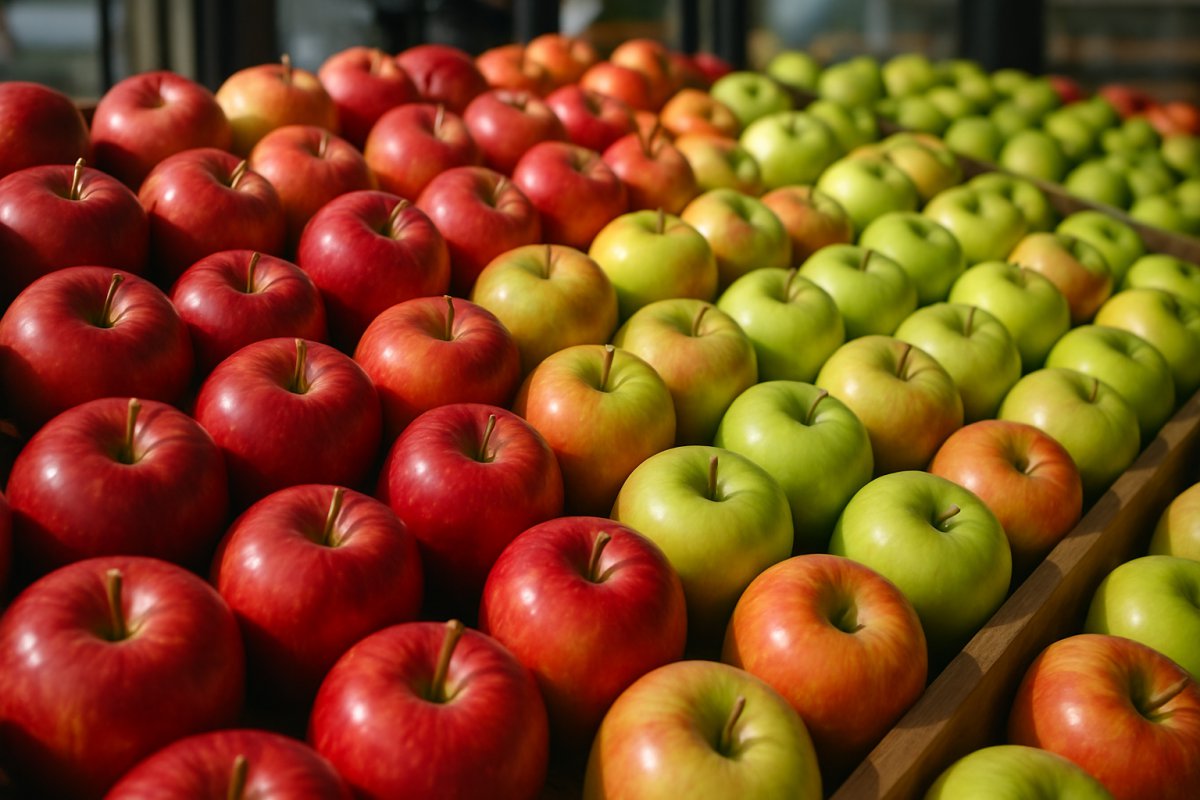
Kazakhstan will impose a ban on apple imports, including from the EU, starting August 1, 2026. Meanwhile, average wholesale apple prices in major EU producer countries fell by 18.5% year-on-year in June.
Kazakhstan has announced a ban on apple imports from August 1 to December 31, 2026. The restriction will apply to all foreign suppliers, including key European exporters. In 2025, the value of agri-food exports from the EU to Kazakhstan reached nearly €107 million, with apples as a major product group. Kazakhstan has not reported any phytosanitary issues with imported apples prior to the decision. The move is expected to halt EU apple shipments to Kazakhstan for the rest of the year, affecting exporters in the region.
In June 2026, average wholesale prices for sorted apples in the four largest EU producing countries fell to €0.87/kg (3.78 PLN/kg), marking an 18.5% decrease compared to June 2025. In Germany, prices were the lowest among the main producers, reaching €0.43/kg (1.85 PLN/kg), which is 55% below June 2025 and 43% below the five-year average for the month. This persistent price decline reflects significant oversupply and weak demand across Western Europe.
The drop in European apple prices has increased competitive pressure on exporters seeking alternative markets. As Kazakhstan closes its market, surplus apples from EU countries may be redirected to other destinations, including Central and Eastern Europe. This could intensify competition for markets such as Poland, where importers may face lower prices and increased availability from EU suppliers.
In Italy, rising diesel and transport costs have prompted the government to consider temporary cuts to fuel taxes. Logistics and distribution costs have increased for the fruit and vegetable sector, impacting margins for exporters shipping apples to European destinations. The volatility in transport expenses adds further uncertainty to export dynamics this summer.
The early apple harvest in Western Europe is underway, with summer varieties such as Early Geneva and Piros already available in regional wholesale markets. However, demand for these early apples remains moderate due to competition from other seasonal fruits.
Material prepared by the editorial team of fresh-market.info, editor Artur Spiker