
Peruvian and Chilean table grape export prices diverge as supply patterns shift
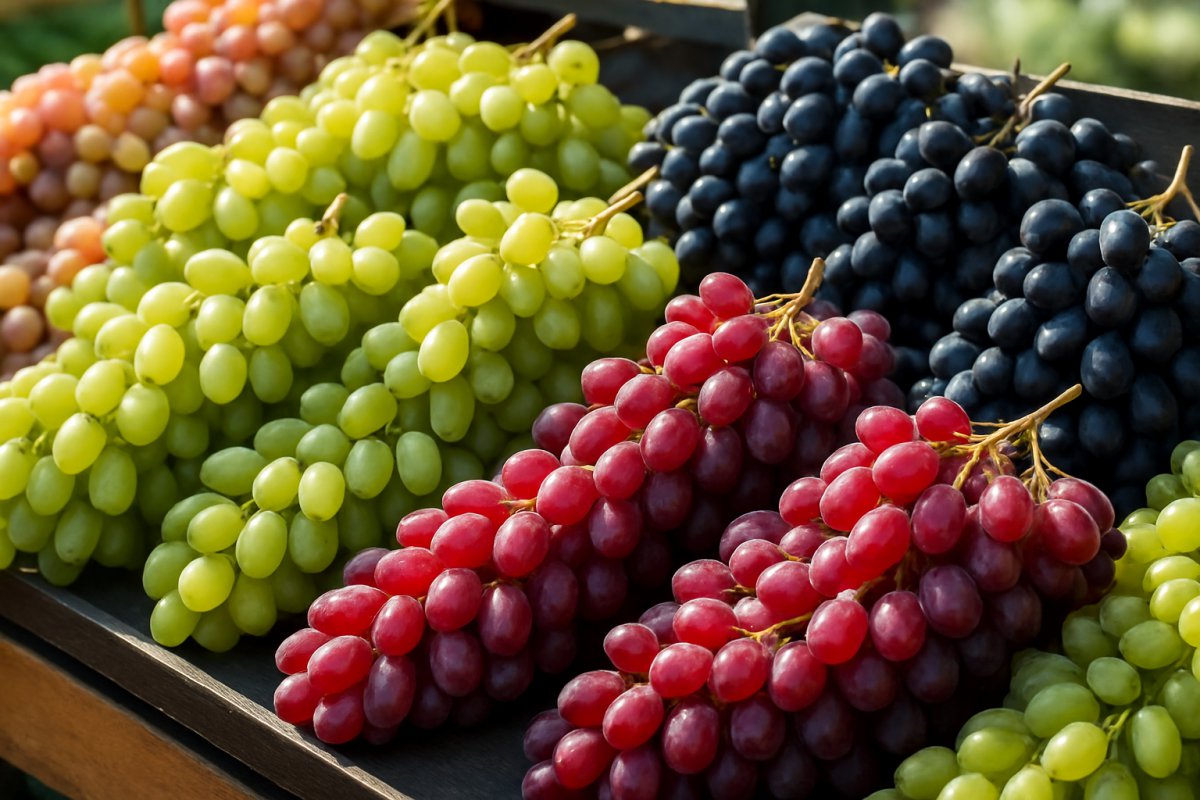
Peru increased white seedless grape exports by 11% in 2025/26, with spot market prices ranging from €2.8 to €4.4 per kg, while Chile’s shipments decreased by 15% but at higher average prices than the previous season.
Peru exported 695,000 tonnes of table grapes in 2025, accounting for 14% of global shipments. In the white seedless segment, Peruvian exports rose 11% year-on-year, with prices on the spot market between €2.8 and €4.4 per kg (converted from $3.10–4.90/kg FOT). Peruvian red seedless grape prices were stable compared to the previous season, but strong early demand pushed prices above €3.6/kg ($4.00) at the start of the campaign. For black seedless grapes, Peruvian prices remained below 2024/25 averages until week 7, before recovering later in the season.
Chile, the third-largest global exporter, shipped 560,000 tonnes in 2025 (11% global share), reducing its total table grape exports by 15%. Despite lower volumes, Chilean grape prices remained above the previous season for much of the campaign. Red seedless grapes from Chile fluctuated between €2.3 and €3.2 per kg ($2.50–3.50/kg FOT). Mexican grapes saw lower spot prices, with minimums at around €2.3/kg ($2.50).
China remained the world’s leading exporter with 857,000 tonnes (17% share), driven by increased domestic production. This has reduced China’s reliance on imports and affected the composition of international trade. The United States was the largest importer globally, followed by Germany (7% global share), the Netherlands (6%), and the United Kingdom (5%).
In southern Europe, the Italian table grape sector is promoting its product to international buyers, with B2B meetings involving importers from Estonia, Germany, the Netherlands, Poland, Spain, and Sweden. The campaign coincides with the main harvest period in Puglia, and the focus is on boosting exports and certified regional products.
In Greece, the Sultanina variety in Crete is experiencing a delay in ripening of at least one week compared to 2025. Disease pressure from Lobesia botrana is significant in early zones and increasing in others, requiring intensive crop protection measures, especially in late zones from late July onwards.
Spain’s agricultural sector saw a reduction in crop insurance claims in the first half of 2026, with lower hail and weather-related damage compared to 2025. The main impacts were on cereals, fruit trees, and wine grapes, but table grape losses are not specifically highlighted. Changes in the supply and export patterns from Peru, Chile, and Italy are likely to affect grape availability and pricing for European importers, including Poland.
Material prepared by the editorial team of fresh-market.info, editor Artur Spiker