
Peruvian and Spanish blueberries enter EU market as Italian season ends; prices rising
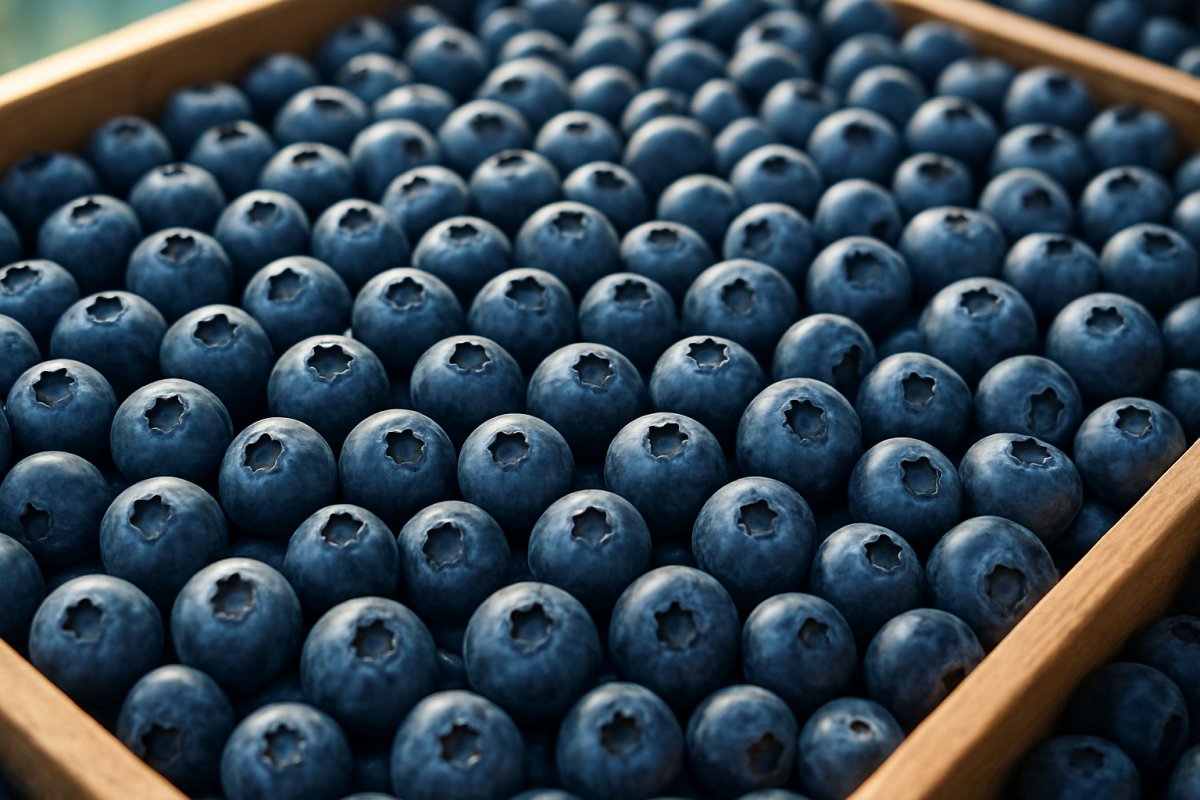
The Italian blueberry season has ended, with first arrivals from Peru and late Spanish berries now present on the European market, alongside Romanian and Polish produce. Retail prices for blueberries are rising in northern Italy.
According to a July 22 survey in Piacenza, Italy, the Italian blueberry season has concluded, and the market now features blueberries from Poland, Romania, and the first shipments from Peru, as well as late Spanish berries. Blueberry prices in retail outlets in Piacenza are reported to be increasing, with most lots considered fresh and of good quality, though some quality issues have been observed due to handling.
Shelf space for blueberries in Italian retail chains is highly competitive, with multiple brands present and an average of 4.5 berry references per store. The Piacenza market is seeing significant volumes of Polish product and the first Peruvian blueberries, indicating a transition period between European and South American supply.
In the previous 2023-24 season, El Niño caused a 24% drop in Peruvian blueberry exports. The NOAA forecasts a strong El Niño for the coming South American summer, raising concerns among exporters and buyers about potential delays and reduced Peruvian shipments. Such disruptions could impact blueberry availability in Europe in October and November, affecting supply to countries like Poland.
In Spain and Morocco, storms and adverse weather earlier in 2026 affected harvest volumes and quality, adding to the volatility of supply in the European market. The Northern Hemisphere has experienced production challenges due to freezing temperatures in the US and variable harvest conditions in Spain and Morocco.
Hydroponic cultivation using coconut fiber is increasingly adopted in various countries to stabilize blueberry yields and quality, with commercial reports of production increases of 50–80% compared to traditional soil-based systems. This technological shift is seen in regions aiming to meet high and stable demand in European markets.
In the United States, large packers like H&A Farms have expanded optical sorting technology to ensure consistent quality and handle increased machine-harvested volumes, reflecting rising expectations from European and global buyers for uniformity and defect-free blueberries.
Material prepared by the editorial team of fresh-market.info, editor Artur Spiker