
Sharp Drop in Belgian and Dutch Apple Harvests; Kazakhstan Bans Imports
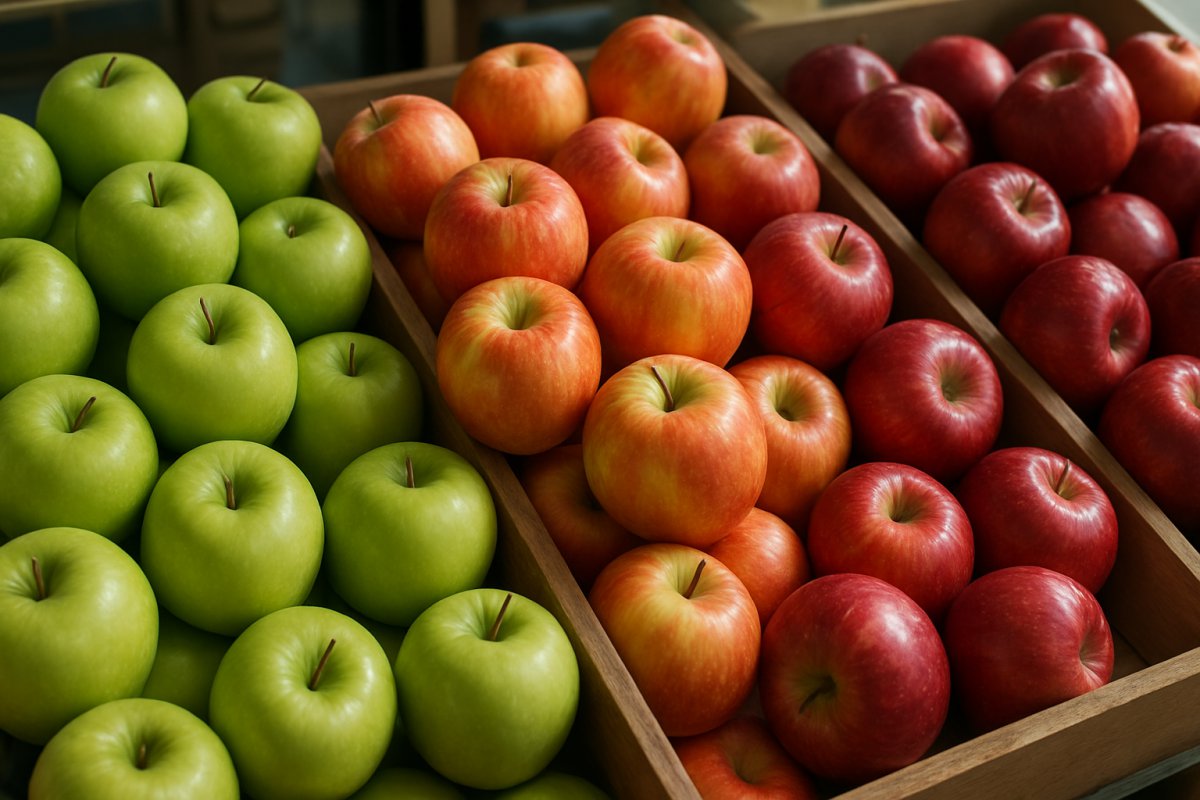
Belgium and the Netherlands are forecasting significantly reduced apple harvests for 2026, while Kazakhstan will ban apple imports—including from key European suppliers—from August to December 2026.
Belgium expects its 2026 apple harvest to be about 50% of a normal crop due to severe hail damage, according to industry sources. Belgian growers report that some orchards were hit by hail up to five times during the season, resulting in star-shaped marks, cracks, and defects. A large share of the remaining apples is expected to be diverted to the processing industry, leaving limited volumes for the fresh market. Normally, Belgium produces about 150,000 tonnes of apples annually on nearly 5,000 hectares; this year, fresh market supply is expected to be significantly below average.
Dutch apple production is forecast to decrease by 18% compared to 2025, reaching 195,000 tonnes. The reduction is attributed to last season’s high yields and a 3% decrease in apple-growing area, now at 4,902 hectares. The Elstar variety is particularly affected, with production dropping 21% to 77,000 tonnes, while Jonagold is set to fall by 20% to 47,000 tonnes. Weather challenges, including hail and drought, have impacted yields. In contrast, Dutch pear production is expected to rise by 10% to 393,000 tonnes.
Kazakhstan has announced a ban on apple imports from August 1 to December 31, 2026. The restriction will apply to all countries, including major European exporters. In 2025, Poland alone exported agricultural products worth nearly €107 million to Kazakhstan, with apples being a key item. The Kazakh government states the ban is intended to protect the domestic market, not targeting any specific country. Previous similar restrictions were imposed in October 2024.
Exporters in Germany and the Netherlands are also facing challenges with surplus stocks, particularly for storage varieties like Idared. German and Dutch sellers are reportedly seeking outlets for their unsold apples, which could increase competition in European markets and affect pricing dynamics in the early part of the new season.
The European market is expected to see lower availability of triploid apple varieties such as Jonagold and Boskoop, while diploid varieties like Gala and Golden are reported to be performing comparatively better in terms of yield.
Material prepared by the editorial team of fresh-market.info, editor Artur Spiker