
Sharp drop in Dutch and Greek apple harvests to affect European trade
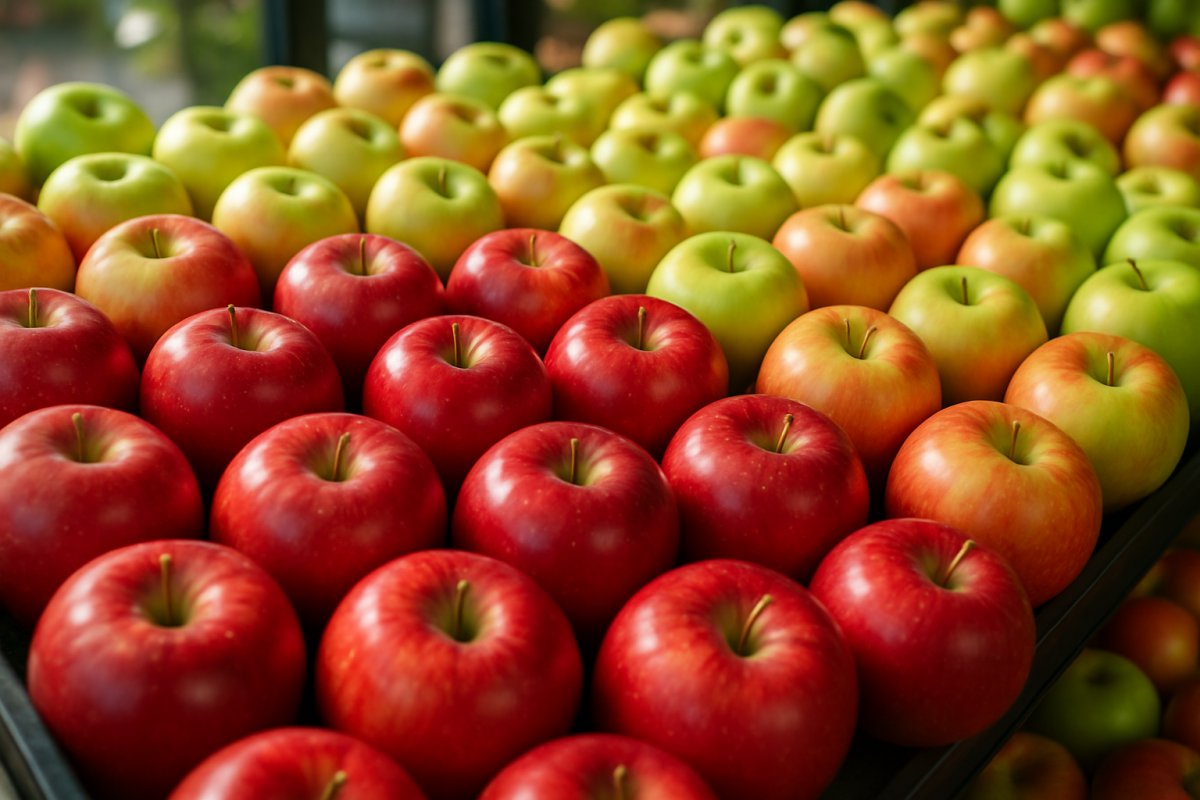
Dutch apple production for 2026 is forecast to fall 18% year-on-year to 195,000 tonnes, while Greek apple exports up to June 2026 have dropped by 38.6%.
Dutch apple production for the 2026 season is forecast at 195,000 tonnes, an 18% decrease from 2025. This is attributed to both last year’s high yields and a continued reduction in apple acreage, which fell by 3% to 4,902 hectares. The Elstar variety, the most widely grown in the Netherlands, is set to decline 21% to 77,000 tonnes, while Jonagold volumes are expected to decrease by 20% to 47,000 tonnes. The new Dutch apple harvest will be available from late August.
In Greece, the 2026 harvest of early-season apples in lowland areas is expected to be down by around 30%, with some orchards reporting even greater declines. The reduction is attributed to poor fruit set, despite the absence of frost or hail. Red varieties have been especially affected, while Gala apples have seen a smaller decrease. Some Gala harvest is expected to begin around July 25, but the main volume will enter the market from the first week of August.
Greek apple exports up to June 19, 2026, amounted to 32.74 million kg, a 38.6% drop compared to 53.36 million kg in the same period of the previous season. The decline in exports has been attributed to weak demand from Egypt and Arab countries. Italian apples have been competing aggressively in these destinations, with first-quality green and red apples offered at €0.70–0.80 per kg, reportedly below production and storage costs. As a result, Greek apples are currently experiencing very low market movement, and some unsold stocks remain from the previous season.
The reduced apple supplies from both the Netherlands and Greece may impact importers in Central and Eastern Europe, including Poland, by tightening availability and potentially increasing competition for apples from other origins. Meanwhile, the Dutch pear harvest is forecast to rise by 10% to 393,000 tonnes, with the Conference variety accounting for 76% of output, possibly offsetting some of the shortfall in apple volumes in the region.
The Dutch apple cultivation area has declined by more than 2,000 hectares over the past decade, reflecting a long-term trend away from apples and towards pears in the Netherlands.
Material prepared by the editorial team of fresh-market.info, editor Artur Spiker