
Sicilian heat leads to stable tomato prices amid high demand in Europe
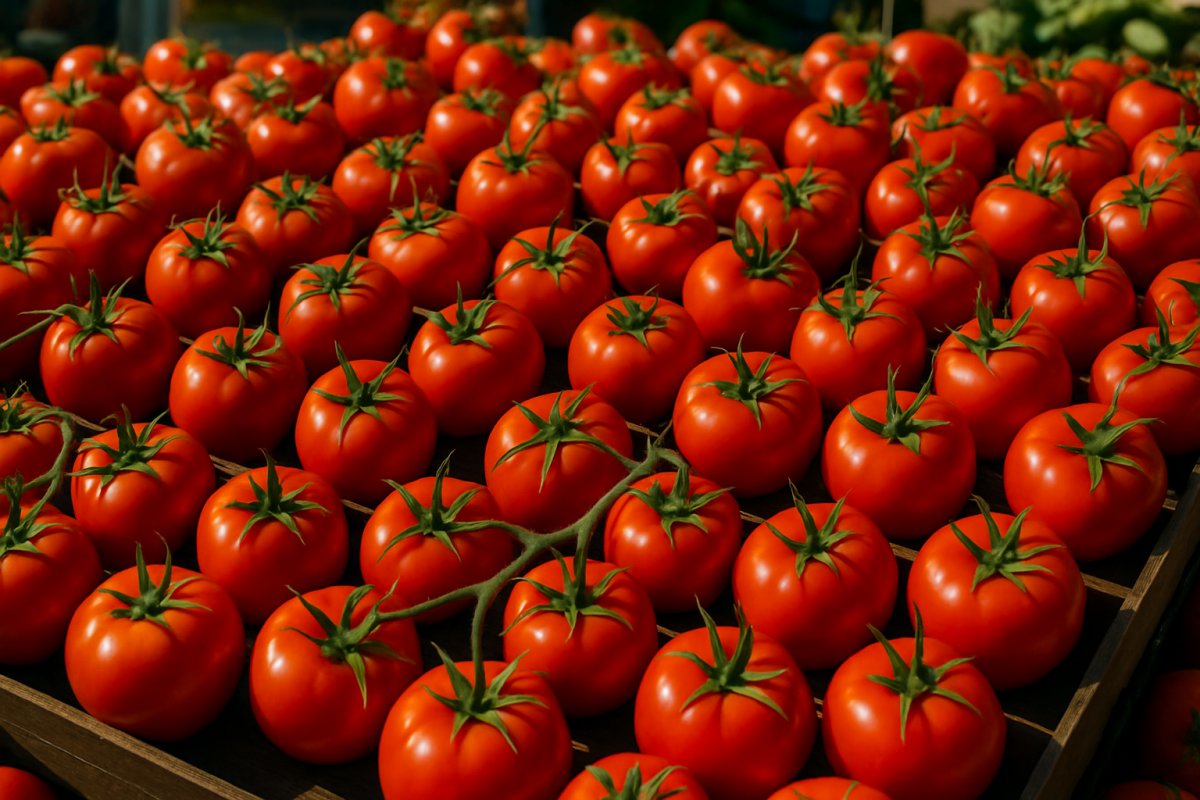
Tomato prices in Sicily remain stable despite extreme heat, with strong demand from both retail and hospitality sectors and abundant supply due to accelerated ripening.
In Sicily, daytime temperatures have recently exceeded 40°C and nighttime temperatures have stayed above 30°C, creating challenging conditions for tomato growers. Despite the heat, demand for vine tomatoes remains robust, particularly from hospitality and large-scale retail sectors both in Italy and abroad, including Germany, Austria, Malta, and Switzerland. The current oversupply is mainly attributed to rapid ripening and over-harvesting prompted by high temperatures, rather than a general surplus in planted area.
Wholesale prices for tomatoes in northwestern Germany are reported to be below last year’s levels across the fruit vegetable category, including tomatoes. The expanded greenhouse area in Papenburg, with an additional 12 hectares dedicated to tomatoes since January 2026, has contributed to increased supply and market presence. Standard tomato varieties are reportedly attracting more consumer attention, likely due to ongoing inflation and more cautious spending across European markets.
In the UK, Sainsbury’s has signed 10-year supply agreements with major domestic growers to increase the volume of British-grown tomatoes. The retailer reports continued strong customer demand for tomatoes, with its premium Taste the Difference range generating over €141 million in sales last year. These long-term contracts are intended to strengthen supply chain resilience against weather-related shocks and support increased domestic availability, potentially affecting import demand from continental suppliers such as the Netherlands and Spain.
Spanish breeders report that new tomato varieties such as Panoramix are maintaining high quality and consistent fruit size (100–110g) throughout the season, even under adverse weather conditions. This reliability is valued by exporters and cooperatives serving European markets, including Poland, where stable quality and supply are key factors in purchasing decisions.
In Germany, the increased production capacity and strong yields from greenhouse operations are expected to further intensify competition among European suppliers during the summer. This could translate into sustained pressure on wholesale prices in recipient markets such as Poland, where imports from Germany, the Netherlands, and Spain remain significant.
Material prepared by the editorial team of fresh-market.info, editor Artur Spiker