

Smaller European Organic Apple Harvest and Stable Southern Hemisphere Supply Affect Trade
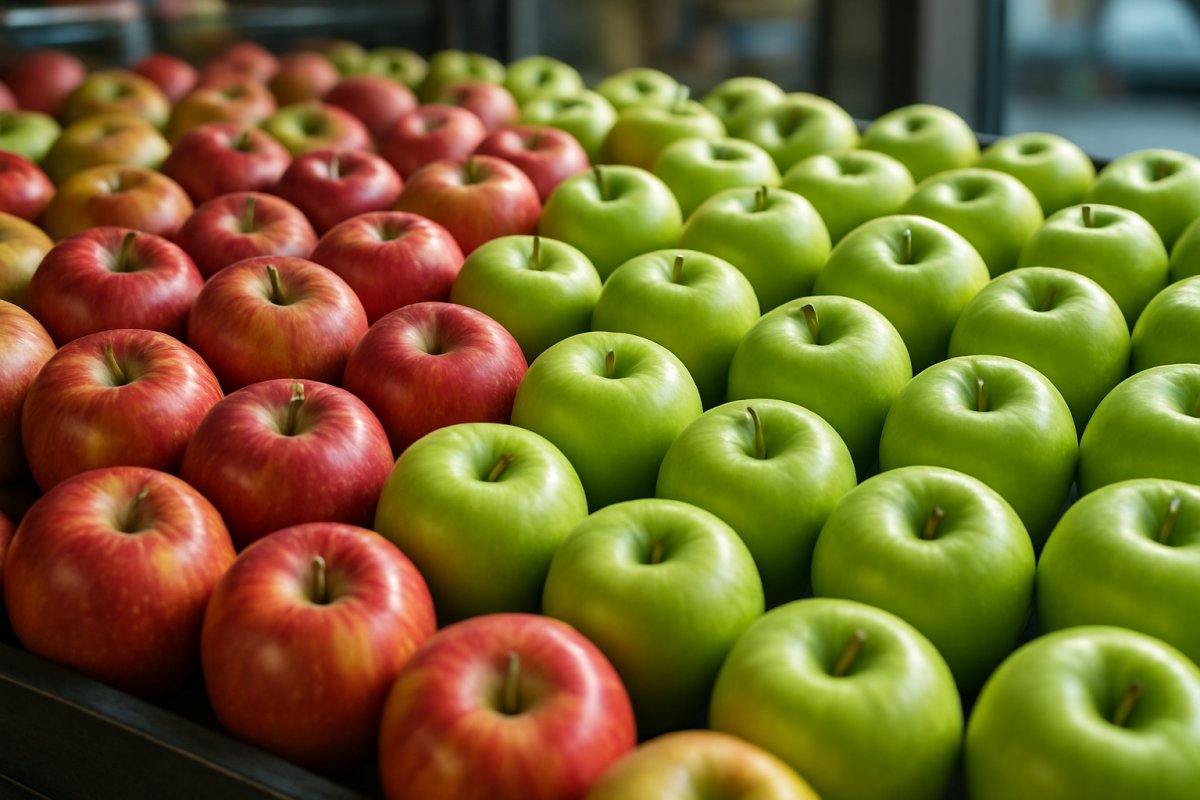
European organic apple production is forecast to be smaller this season due to hail damage, while Southern Hemisphere exporters maintain steady shipments and organic demand continues to rise.
The first European harvest forecast for organic apples among EBF member organisations indicates a smaller crop for the fresh market in 2026. The reduction in harvest, attributed in part to hail damage, is expected to support slightly higher prices for organic apples across Europe. This comes as organic apple consumption in Europe resumes growth after a post-pandemic slowdown, with expectations of further demand increase by 2027.
In the Southern Hemisphere, South African apple exports remain steady, with the country currently in its peak export season. In 2025, South Africa exported approximately 1 million boxes of apples to China, securing its position as China’s second-largest apple supplier. South African exporters are also maintaining a strong presence in other markets, with Shanghai Shengguo Trading reporting a significant year-on-year increase in import volumes this season.
Honeybear Brands, a major supplier from the United States and Southern Hemisphere, reports uninterrupted supply of organic apples due to coordinated sourcing across hemispheres. Their organic program covers core varieties such as Honeycrisp, Gala, Fuji, Granny Smith, and Pink Lady. Organic apple sales in the US reached $740 million in 2025, a 6% increase year-on-year, reflecting robust global demand for organic produce.
On the European market, wholesale prices for dessert apples have decreased compared to previous months due to higher-than-expected overall supply and weaker buyer interest. Standard dessert apple varieties in Europe saw average purchase prices fall by 7–9% in late June and early July. For reference, average purchase prices for first-class dessert apples at the turn of June and July reached €0.34/kg (1.46 PLN/kg), nearly 10% lower than at the end of May and beginning of June.
Suppliers are also responding to increased demand for sustainable packaging and smaller pack formats, with Spanish and European fruit packers investing in automation and recyclable materials. This trend is driven by retailer requirements and shifting consumer preferences for more sustainable and transparent packaging in the fruit sector.
Material prepared by the editorial team of fresh-market.info, editor Artur Spiker