

Spain develops traditional tomato varieties as climate challenges persist
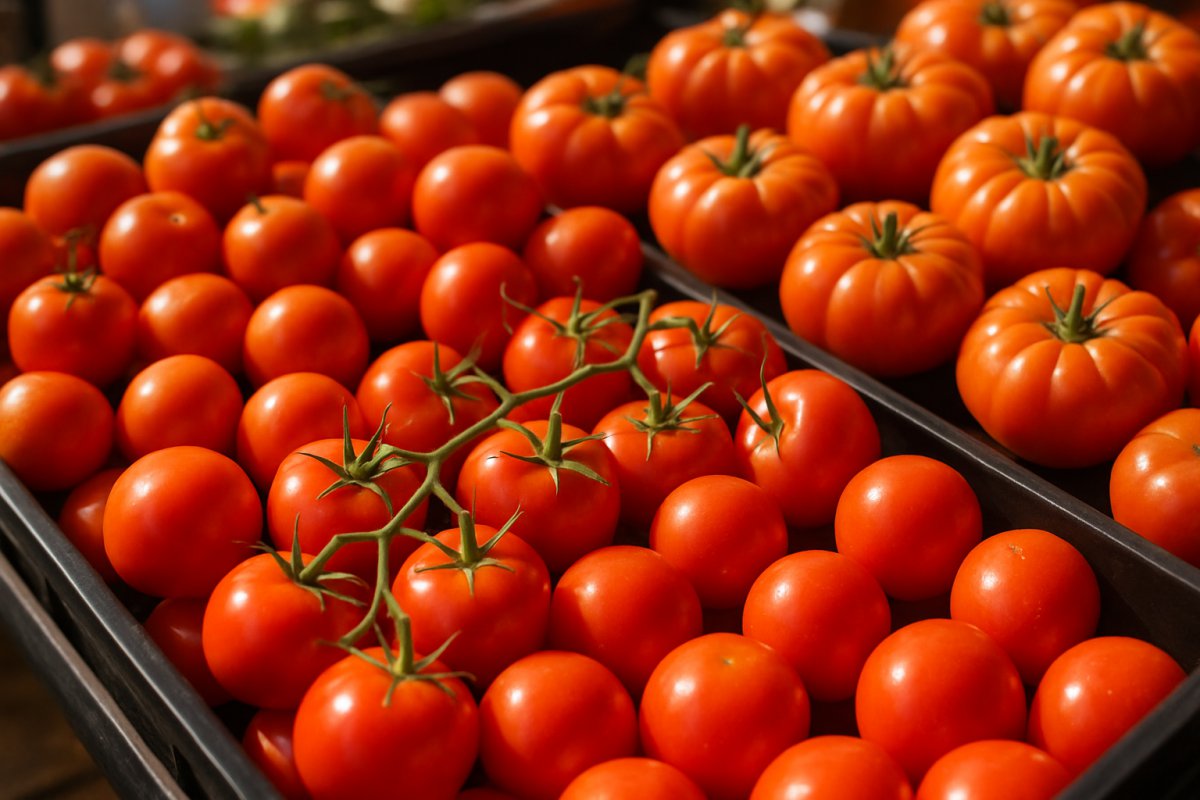
Spanish research is focusing on recovering and commercializing traditional tomato varieties adapted to drought and high temperatures, while the Netherlands reports increased adoption of insect screen systems in tomato greenhouses.
In Spain, the CEBAS-CSIC research institute in Murcia is working to recover and promote traditional tomato varieties such as Murciano Rojo, Rosado del Calar, Muchamiel Aperado, Tomate Pimiento, and Negro del Calar. These varieties are recognized for their genetic diversity and natural adaptation to drought, salinity, and high temperatures. The research is evaluating their tolerance to real field conditions, including the ongoing impact of heatwaves and water scarcity, which are becoming more frequent in Mediterranean agriculture. Many of these varieties are valued for their high organoleptic and nutritional quality, with intense flavors and strong antioxidant profiles, factors that influence their commercial appeal in European markets, including Poland as an importer of Spanish tomatoes. No concrete export or wholesale price data for Spanish tomatoes is available for this period in the sources, but the emphasis on quality and resilience is expected to influence future supply and market positioning versus standard commercial varieties from Spain and other suppliers.
In the Netherlands, tomato growers are increasingly installing insect screen filter systems in greenhouses. At Wim Peters Kwekerijen, which converted its entire 30-hectare production area to this system, the measured impact on greenhouse temperature was minimal, with only a 0.3°C increase recorded. Dutch greenhouse tomato production remains stable even during summer conditions, supporting consistent supply to export markets. The use of advanced climate management and insect control systems is expected to maintain the Netherlands’ competitive position as a major tomato exporter in Europe.
In China, a semi-closed glass greenhouse project for cherry tomato production in Zhejiang Province is operating as a demonstration for automated climate management and soilless cultivation. The facility supplies major cities in the Yangtze River Delta, such as Shanghai and Hangzhou, but there is no indication of exports to Europe. This development demonstrates ongoing advances in greenhouse technology but does not currently impact European tomato trade.
A Spanish initiative is underway to reduce food waste by developing innovative food products from tomatoes excluded from fresh markets for aesthetic or size reasons. The project promotes the use of traditional varieties for gourmet products, integrating scientific and culinary expertise to extend shelf life and preserve quality. This circular economy approach is expected to support the value of Spanish tomato exports by offering new product categories to European buyers.
In the Netherlands, the adoption of advanced insect screen and climate control systems is being recognized by growers as an effective method to stabilize greenhouse conditions, supporting year-round supply and minimizing pest-related losses. These technological improvements contribute to the reliability of Dutch tomato exports to European destinations, including Poland.
Material prepared by the editorial team of fresh-market.info, editor Artur Spiker