

Spain expands mini watermelon portfolio amid stable export focus
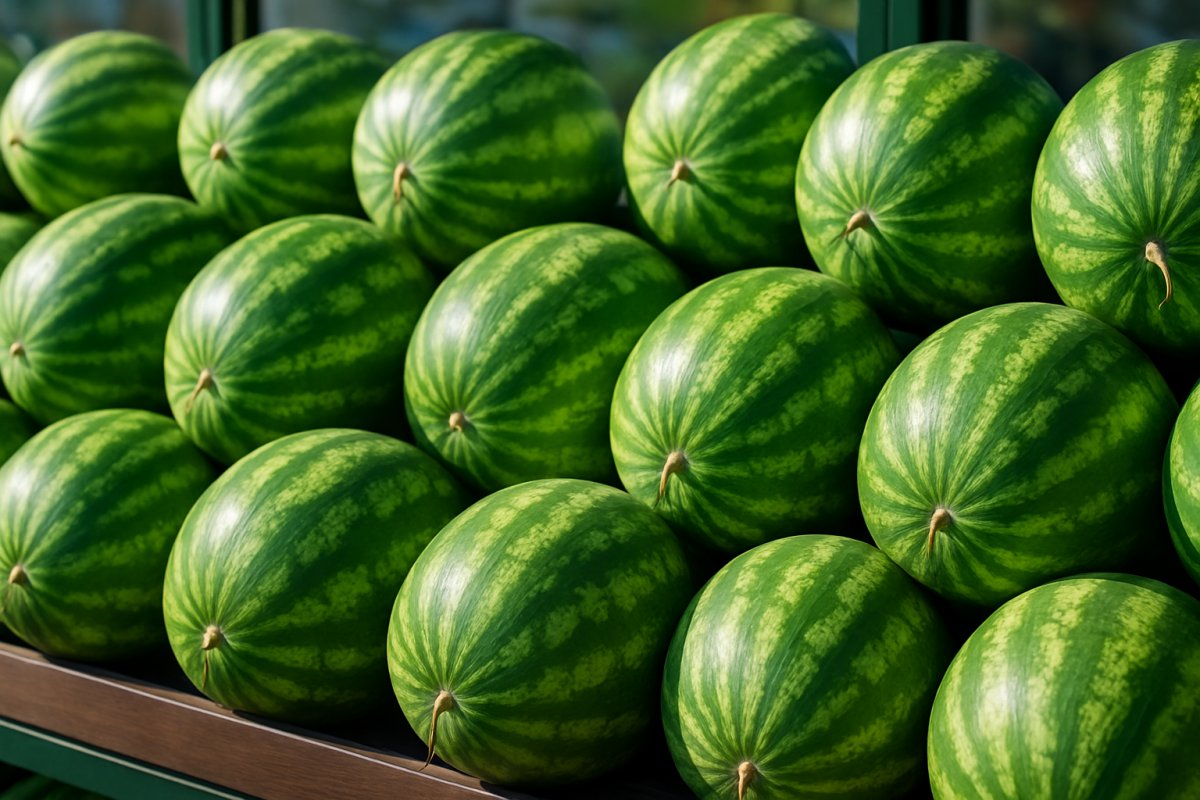
Spanish producers continue to increase watermelon acreage, with particular growth in mini and seedless varieties, while maintaining a strong export orientation.
Spanish seed companies, such as Intersemillas and KWS, have introduced several new mini watermelon varieties in 2026, targeting both domestic and export markets. Intersemillas has launched MENINA and AMELIE, mini watermelons weighing 2–3 kg with reduced seed content, and CHULAPA, a triploid variety with a weight range of 5.5–6.5 kg and intense red flesh. These introductions reflect increasing demand for convenient formats and high internal quality in export destinations.
The region of Castilla-La Mancha in Spain continues to expand watermelon acreage, though at a slower pace than previous years. According to the Cooperativa Nuestra Señora de Peñarroya, the share of watermelon in their commercial mix has reached 40%, with melons at 60%. Despite a difficult 2025 season that resulted in significant losses for many growers, watermelon remains more popular than melon due to its higher potential profitability and easier cultivation.
Export demand remains a key driver for Spanish watermelon production, with external markets influencing variety selection and production strategies. The export market's volatility was highlighted in 2025, when Spanish producers experienced notable losses due to weak export performance. Nevertheless, there is ongoing diversification toward varieties better suited for export, including yellow and Galia melons, but watermelons—especially seedless types—retain a dominant position in summer shipments to European markets including Poland.
Spanish watermelon supply is supported by new disease-resistant varieties, offering improved yields and reduced risk for growers. The latest breeding programs focus on vigor, field performance, and resistance to diseases such as powdery mildew and anthracnose, which is expected to stabilize supply for the 2026 season. Mini and seedless watermelons are particularly favored in both retail and wholesale channels across Europe.
Spain's position as a leading summer watermelon supplier to Europe remains unchanged, with high availability of both standard and mini types. This supply dynamic is likely to affect watermelon import prices and availability in recipient markets such as Poland, where Spanish product competes with other Mediterranean and North African origins.
In addition to Spain, KWS operates breeding stations in Italy, Turkey, Brazil, and Mexico, indicating broader international efforts to develop watermelon varieties tailored to export market requirements and climatic challenges.
Material prepared by the editorial team of fresh-market.info, editor Artur Spiker