
Spain faces increased watermelon competition from Morocco and Senegal
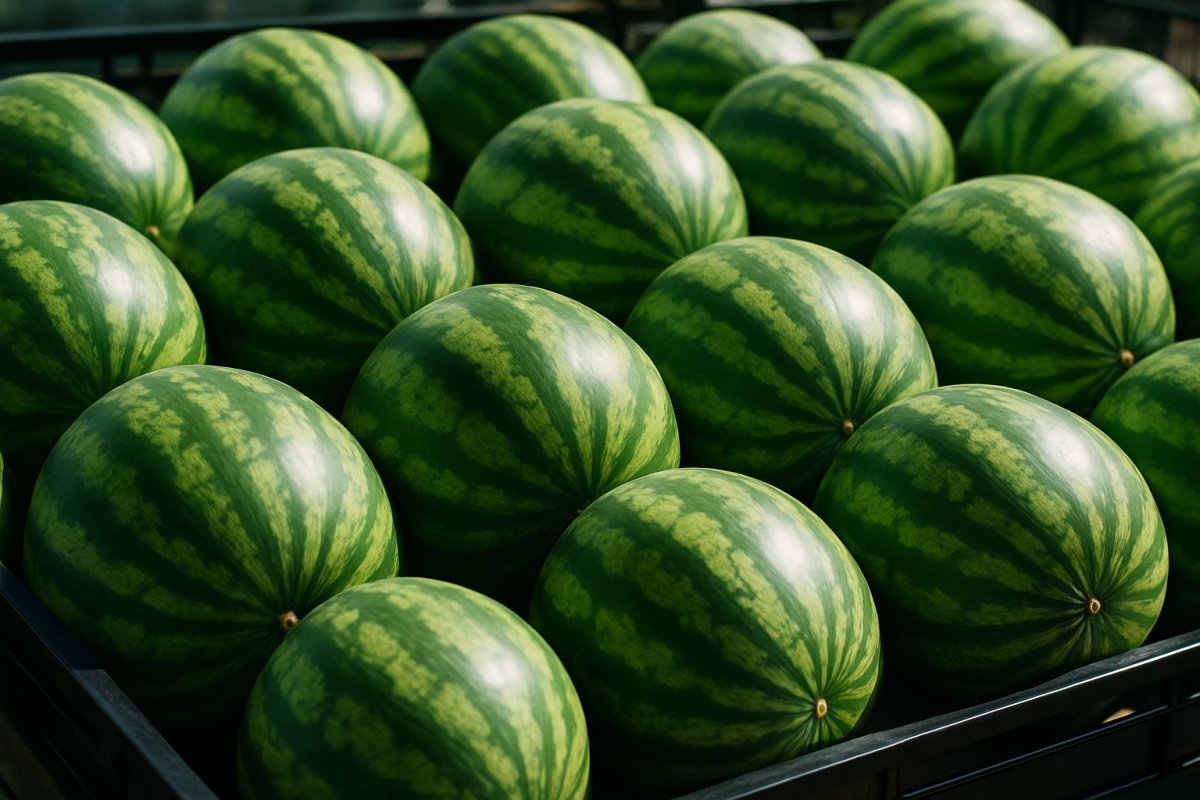
Spanish watermelon exports are experiencing growing competition from Morocco and Senegal, which are increasing their presence in traditional EU markets.
Producers in Spain’s Almería region have shifted part of their acreage to watermelon and melon due to persistent disease pressure in main crops like tomato and pepper. The move has been reinforced by high prices in the previous campaign, driving up both area and supply of watermelons in 2026. Spanish exporters are now facing intensified competition, especially from Morocco and Senegal, which are expanding their watermelon exports to Europe and targeting markets traditionally dominated by Spain.
Seed companies have responded to this increased demand by introducing new watermelon varieties, such as the seedless ‘Perseida’ type, which offers improved postharvest life and quality parameters for export. The search for varieties with higher firmness, longer shelf life, and better transport resilience is becoming a key factor for Spanish and competing exporters aiming to secure large orders from European buyers.
The competitive environment in the European market is further heightened by the entry of Moroccan and Senegalese watermelons. These countries are leveraging technological advances and expanding their export seasons, putting pressure on Spanish exporters in terms of both price and supply continuity. The presence of Moroccan and Senegalese watermelons is particularly notable in July, when European demand peaks.
No precise wholesale or export price data for watermelons were reported for July 2026. However, the general trend in the region shows that intensified competition among supplier countries is likely to impact price levels and margins for all exporters supplying to the EU, including those targeting the Polish market.
The adoption of new watermelon varieties with improved firmness and shelf life may help exporters maintain product quality during transport to distant European destinations such as Poland, where demand for imported watermelons remains strong during the summer period.
Material prepared by the editorial team of fresh-market.info, editor Artur Spiker