
Spain prepares for new digital logistics rules in apple trade
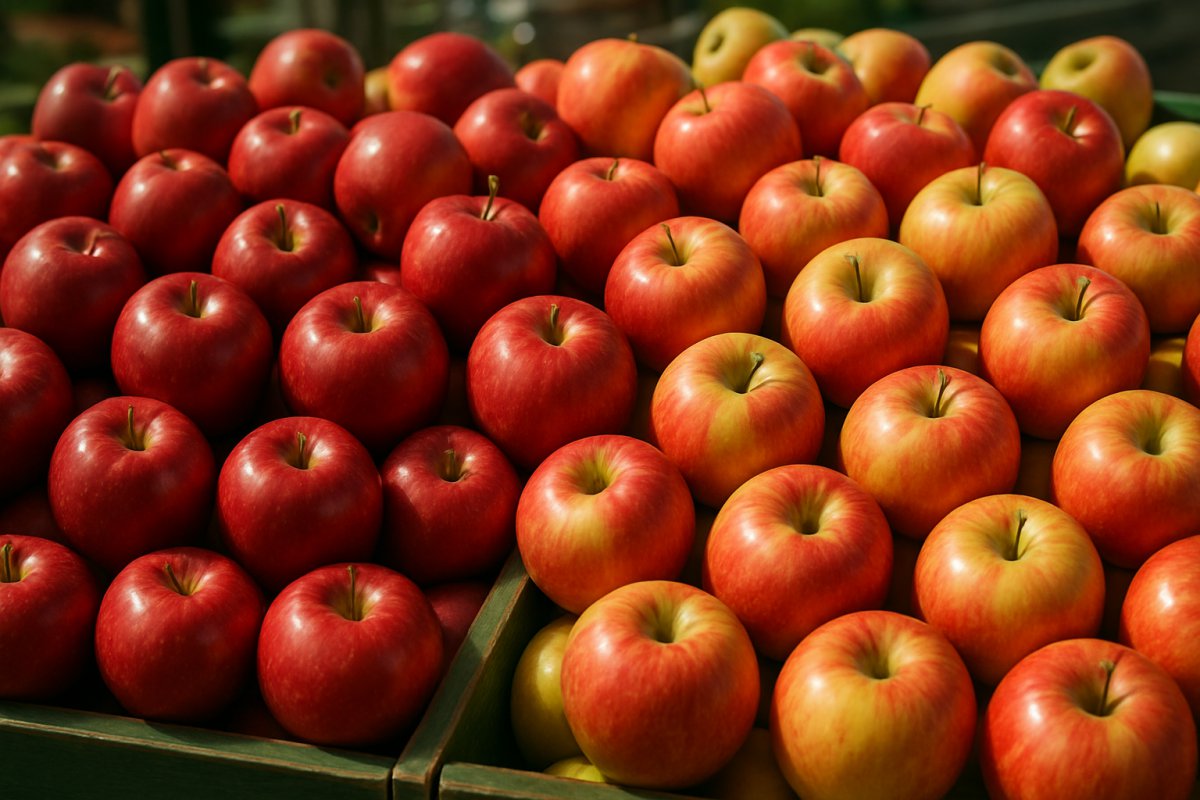
From October 2026, all road transport of apples in Spain will require digital documentation in line with new national regulations, impacting exporters and logistics operators.
Spanish apple exporters and logistics companies will be required to implement electronic management of the Documento de Control Administrativo (DeCA) for all road transport operations starting 5 October 2026. The new regulation, stemming from Spain's Law 9/2025 on Sustainable Mobility, will mandate that all companies organizing or contracting external transport of apples generate, exchange, and store this documentation digitally. This change targets improved traceability and compliance in the fruit and vegetable sector, including apples destined for export to European markets such as Germany, France, and Poland.
The digitalization of logistics processes is expected to streamline administrative tasks for Spanish apple producers, cooperatives, and storage facilities, reducing paperwork and facilitating faster document inspection during transit. The requirement applies to both exporters selling apples and companies importing apples from Spain using third-party transporters. The system is designed to be adaptable for businesses of all sizes and is expected to become a standard part of export operations.
While no new wholesale or export price data for Spanish apples is reported for July 2026, the implementation of digital logistics documentation may influence operational costs and export procedures during the upcoming harvest season. Spain remains a significant supplier of apples to European markets, with logistics efficiency increasingly important for competitiveness, especially in price-sensitive destinations such as Poland.
Elsewhere in Europe, no major changes in apple harvest volumes or export prices have been reported for July 2026. However, continued digitalization and regulatory compliance in key supplier countries like Spain may affect the speed and reliability of apple shipments to importers, potentially impacting availability and market dynamics in recipient countries.
Material prepared by the editorial team of fresh-market.info, editor Artur Spiker