

Spanish pepper production down 16% in 2025/26 due to Thrips parvispinus
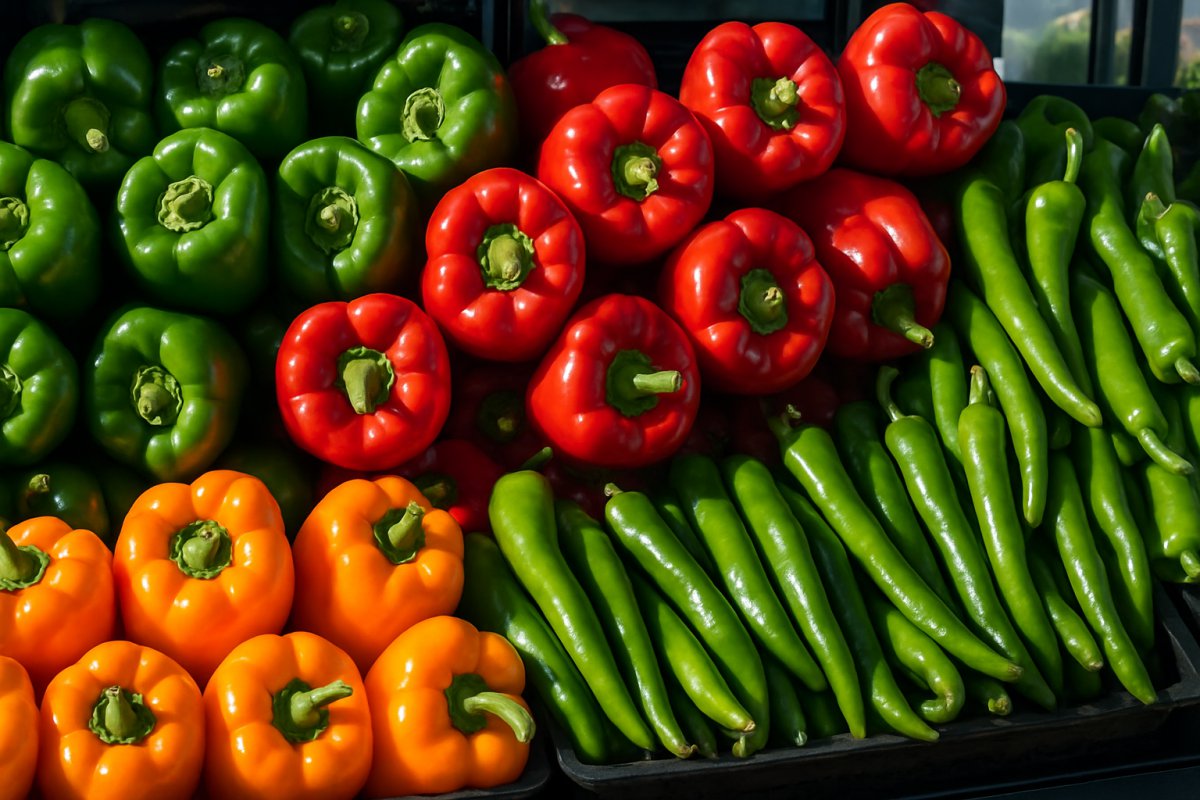
Pepper production in Spain’s Almería region fell by 16% in the 2025/26 campaign due to the impact of the Thrips parvispinus pest, with some farms forced to uproot entire plantations.
According to a horticultural report from Asaja Almería, the 2025/26 campaign in Spain saw a 16% reduction in pepper (pimiento) production compared to the previous year. The decline was attributed to the widespread incidence of the Thrips parvispinus pest, which led to crop losses and the uprooting of affected plantations in the Almería region. Almería is one of Europe’s leading exporters of peppers, supplying a significant share of the EU market during the summer and autumn months.
The regional government of Andalusia implemented new phytosanitary protocols in April 2026 to limit the spread of Thrips parvispinus. These measures include compulsory pre-harvest treatments, the closure of greenhouse ventilation systems, mass trapping, and strict management of plant residues. The aim is to lower pest pressure ahead of the next planting cycle and prevent further disruption to supply.
Lower Spanish output has led to tighter availability of peppers on the European market during the summer of 2026. Importers in the EU, including Poland, have faced increased competition for Spanish peppers, with some buyers seeking alternative suppliers from the Netherlands, Morocco, and Turkey to compensate for reduced Spanish volumes.
In Austria, there was a reversal in planting trends in 2025, with growers shifting back from peppers and cucumbers to tomatoes. The area under tomato cultivation returned to 3,000 hectares, but adverse heatwaves in summer 2025 had a greater negative impact on cucumbers than on peppers. There is no indication of increased Austrian pepper exports to the EU market for the period.
Spain remains the main European producer and exporter of peppers (pimiento), with the product listed among the top horticultural crops alongside tomatoes and potatoes. The current supply constraints in Spain are expected to affect availability and pricing for European importers throughout the remainder of the 2026 summer season.
Material prepared by the editorial team of fresh-market.info, editor Artur Spiker