
Watermelon prices fall sharply in Ukraine; Spanish supply and demand remain high
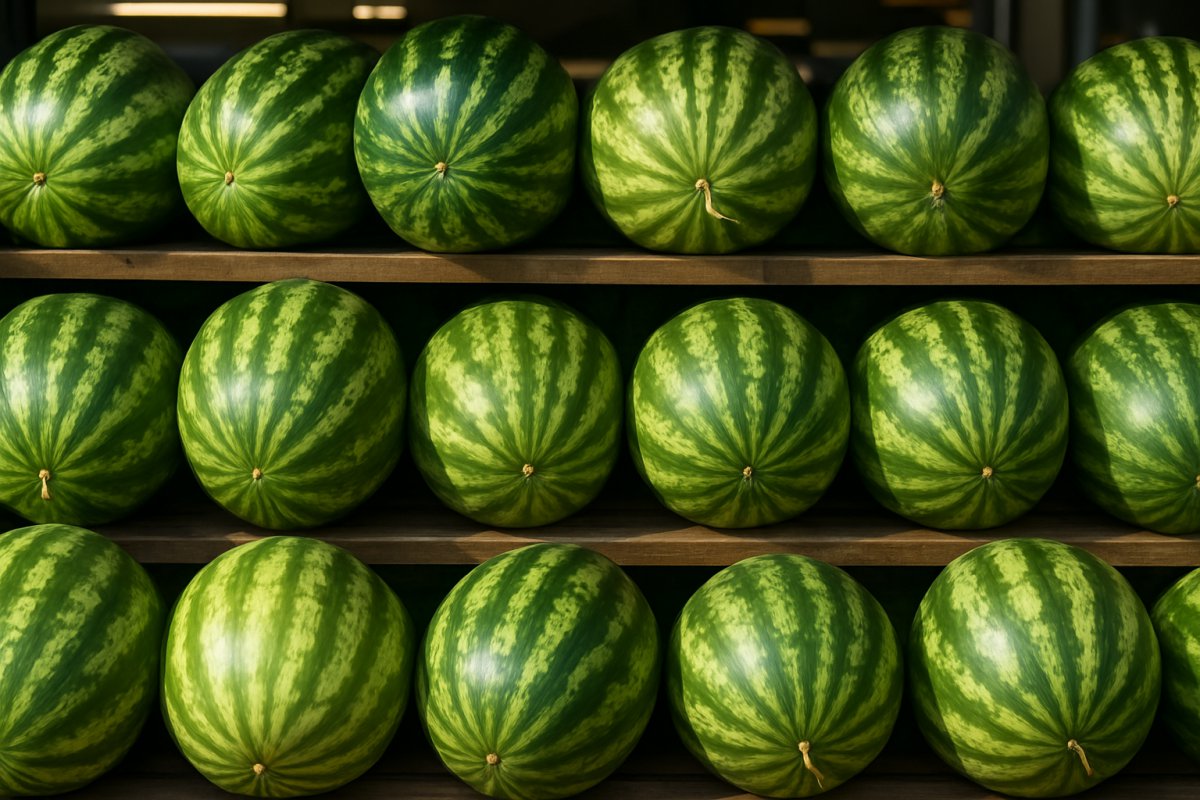
Wholesale watermelon prices in Ukraine fell by around 50% in week 30 of 2026 due to a surge in supply, while Spanish exporters report strong sales on the back of high European temperatures.
In Ukraine, wholesale watermelon prices dropped by approximately 50% during week 30 of 2026 as supply increased sharply. The seasonal peak in harvesting led to a surge in availability, making watermelon the most actively offered product on the regional trade platform. This price drop also coincided with an increase in offers from Türkiye and Iran, while supply from Uzbekistan, Egypt, and Moldova declined. No specific EUR price per kilogram was provided for Ukraine, but the magnitude of the decrease is described as significant for the regional trade balance.
Spanish exporters report robust demand and increasing sales of watermelons this summer, driven by a widespread heatwave across Europe. Companies such as El Melonero and Fruits Ràfols confirm that both black and striped watermelons are performing strongly, with striped watermelon now accounting for nearly half of some exporters’ volumes. High temperatures in Spain and destination markets are cited as a key factor boosting consumption and accelerating the sales season.
In Spain, the expansion of production facilities and increased packing capacity—for example, El Melonero’s new site covering 15,000 square metres—reflects the ongoing growth in watermelon volumes. The 2026 campaign has seen sales rise considerably compared to the previous year, with final volume figures expected to surpass 2025 levels. Spanish suppliers are also observing a shift in consumer preference towards smaller watermelon sizes and pre-packed formats, in line with retail trends.
The business environment in wholesale markets such as Mercabarna (Barcelona) is being shaped by both structural and seasonal changes. Supermarkets are increasing their influence over distribution, while independent greengrocers continue to decline in number. Despite a general seasonal slowdown in July, watermelon and melon sales have gained momentum due to the ongoing heatwave, which has reduced demand for traditional winter vegetables.
Earlier in the year, Brazil performed well as a supplier of watermelons to Europe during the winter import season, but Senegal experienced some supply shortages. The transition to Spanish domestic origins (notably Almería and Murcia) occurred without major disruption. The strong Spanish season, combined with lower prices in Ukraine and shifting supply from other origins, is likely to impact watermelon imports and pricing in Poland and other Central European markets in the coming weeks.
Material prepared by the editorial team of fresh-market.info, editor Artur Spiker