

Western Europe cuts potato acreage, Italian prices rise to €0.46/kg
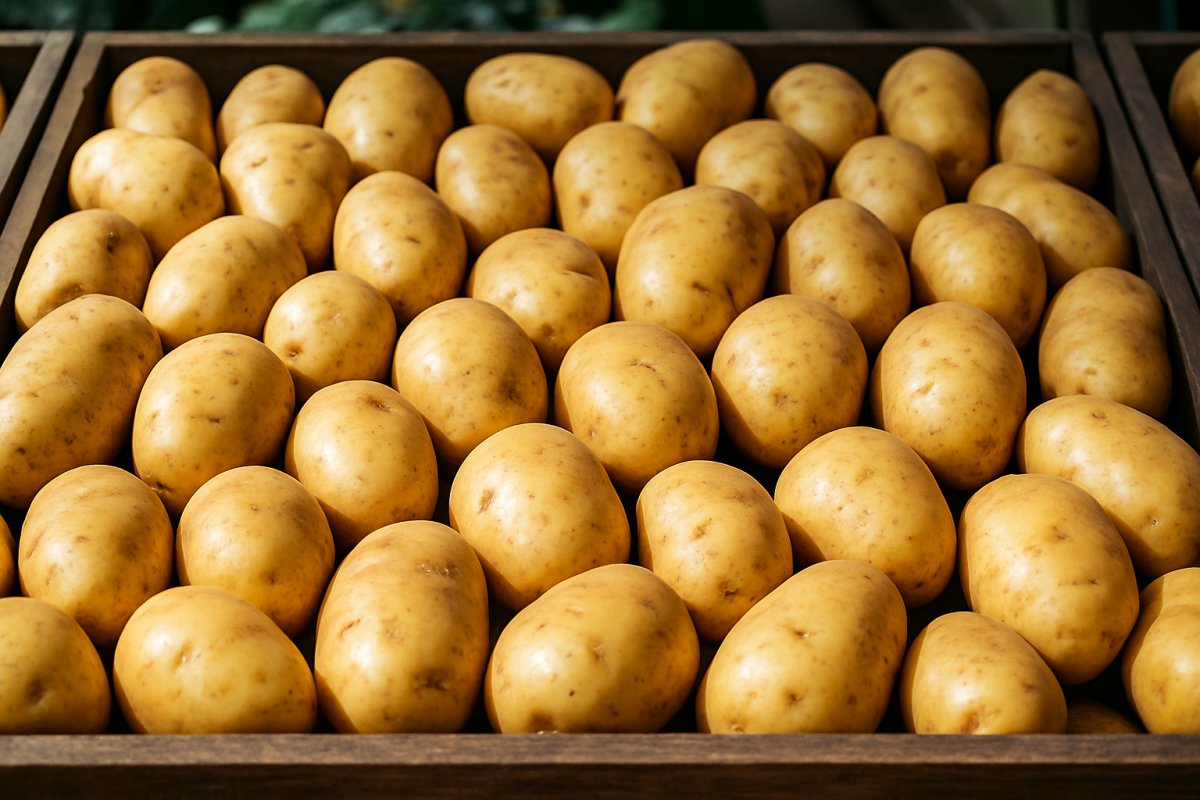
The minimum wholesale price for first-quality potatoes in Bologna, Italy, has been set at €0.46/kg for the 2026-2027 season amid reduced acreage in Western Europe and weather-related supply concerns.
The Borsa Patate di Bologna has established a minimum reference price of €0.46/kg for first-quality potatoes (Global G.A.P. Grasp, 45–75 mm calibre) delivered under storage contract for the 2026-2027 commercial season. This decision follows analysis of European and Italian production trends and reflects both reduced acreage and stable demand for fresh consumption potatoes in Italy and the EU.
Producers in Western European countries, including the Netherlands, Belgium, France, and Germany, have reduced their potato acreage by approximately 11%, from 604,100 ha to 536,900 ha for the 2026 season. The most significant reductions occurred in Belgium (-16.6%) and the Netherlands (-15.1%). Contract prices for potatoes delivered directly from the field in these countries are reported at around €0.125/kg (or €12.50/100 kg), a level producers consider insufficient to cover rising input costs.
In Spain, particularly in Castilla y León, the new potato harvest has begun. However, preliminary estimates indicate that yields may be down by 10–15% in 2026 compared to the average, due to a heatwave and prolonged drought during the crop's critical tuber development phase. These adverse weather conditions have also affected many other European regions, raising concerns about the overall supply for the season.
On the import side, Egypt has become the leading supplier of potatoes to Ukraine for January–May 2026, accounting for 25.8% of total imports (19,100 tonnes overall), overtaking both Azerbaijan and Poland. In 2025, Poland had been Ukraine's main supplier, but the earlier Egyptian harvest has shifted trade flows this year. Poland remains among the top three suppliers to Ukraine, but its share has declined.
The packaging sector in Italy is adopting new technologies for more sustainable packing of potatoes, with machinery capable of reducing plastic use by up to 35% and enabling the use of paper packaging, in response to retail and regulatory demands.
Material prepared by the editorial team of fresh-market.info, editor Artur Spiker