

Blackcurrant Prices Surge at Bronisze Amid Tight Supply, July 2026
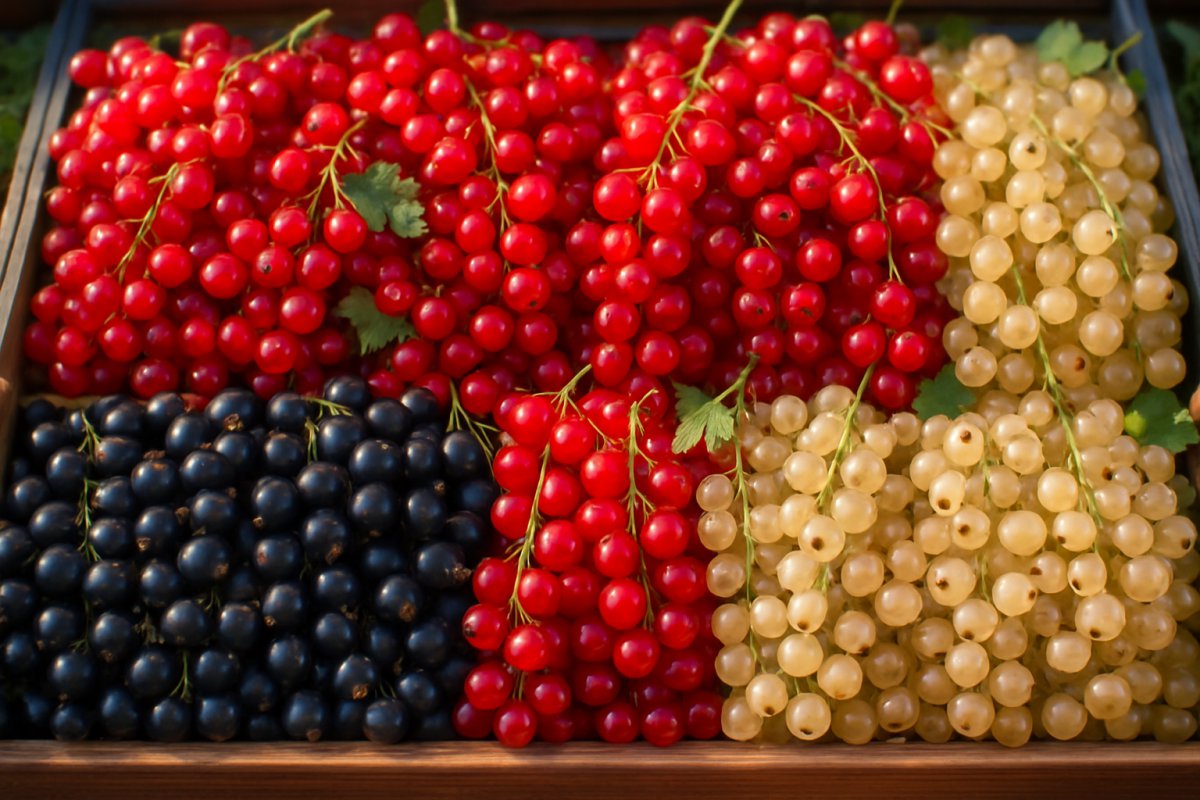
Wholesale prices for blackcurrants at the Bronisze market reached €3.5–5.8/kg (15–25 PLN/kg) at the end of July 2026, reflecting a significant impact of weather on supply and harvest volumes.
At the Bronisze wholesale market near Warsaw, blackcurrant (porzeczka czarna) prices on 31 July 2026 stood at €3.5–5.8/kg (15–25 PLN/kg), while red currants (porzeczki czerwone) traded at €2.3–3.5/kg (10–15 PLN/kg). These price levels are notably higher than typical for the season, driven by limited availability and high demand from processors and fresh market buyers.
Growers report that the 2026 blackcurrant harvest was sharply reduced by extreme heat, with temperatures reaching up to 40°C in late June. The hot, dry weather caused rapid ripening and a swift end to the harvest, significantly limiting volumes delivered to collection points. Many producers noted that berries "cooked on the bushes," leading to a lower yield and reduced quality in some regions.
According to preliminary figures from the Central Statistical Office (GUS), total currant production in Poland in 2026 is estimated at 117,200 tonnes, up 4.4% year-on-year. The blackcurrant segment is expected to reach 84,600 tonnes, representing a 7.6% increase compared to the previous year. However, market participants report that actual marketable supply is lower than forecast due to the effects of the June heatwave and rapid harvest.
The processing industry faced tight raw material supply, with many collection centres unable to secure sufficient volumes. Early-season contract prices started low but rose quickly as the scale of the harvest shortfall became clear. Some growers reported that even lower quality blackcurrants fetched the highest prices of the season, a reversal of usual market dynamics.
Labour costs for hand-picking blackcurrants were reported at €0.35–0.46/kg (1.50–2 PLN/kg), putting pressure on producer margins as farm-gate prices did not always keep pace with rising wholesale quotations. Producers indicated that the higher costs and limited supply discouraged manual harvesting in some cases.
Material prepared by the editorial team of fresh-market.info, editor Artur Spiker · Illustrative image generated by AI