

Lower Pumpkin Supply Forecasted in Poland Due to Spring Weather Impacts
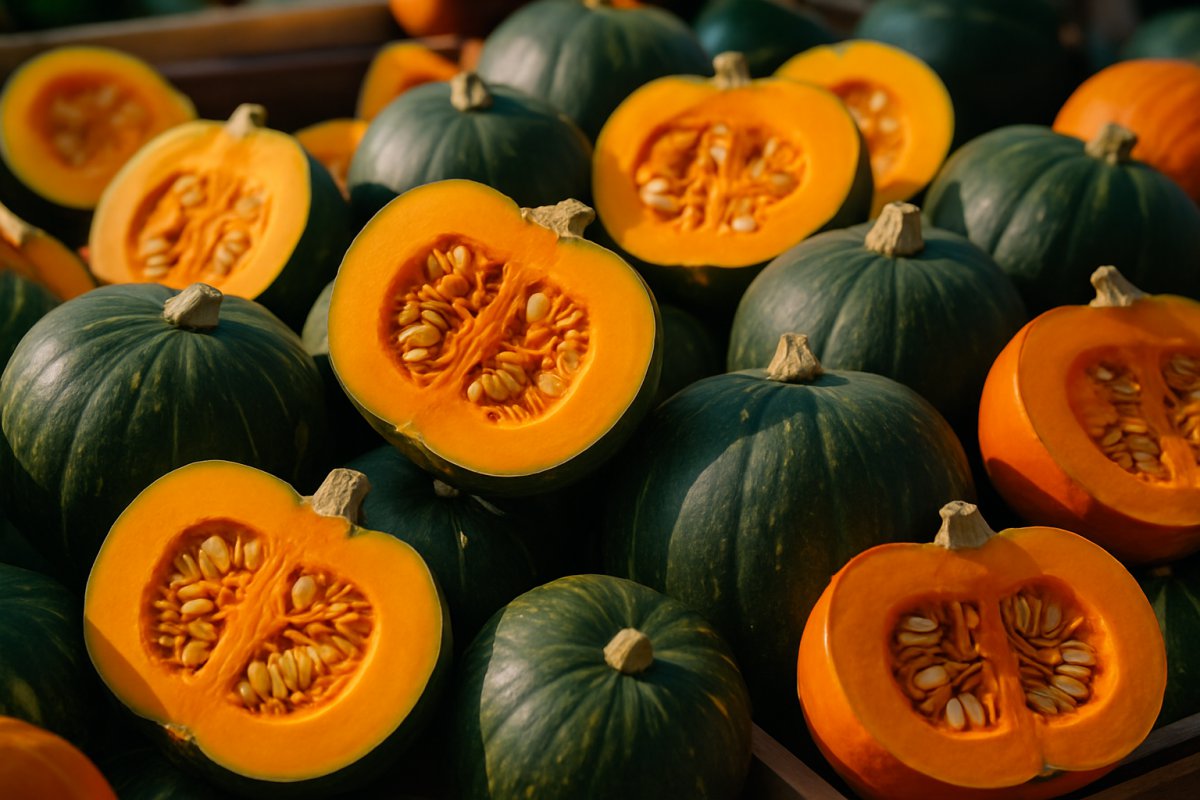
Poland's 2026 pumpkin, marrow and courgette harvest is forecast at about 516,000 tonnes, reflecting reduced yields after spring frosts, drought and June heatwaves. The market is seeing variable supply and uneven plant health across regions.
According to the latest estimates by the Central Statistical Office, the combined harvest of pumpkin, marrow (kabaczek) and courgette (cukinia) in Poland for 2026 is expected to reach approximately 516,000 tonnes. This projection is part of an overall decline in field vegetable production, which is forecast to be 4.5% lower than 2025. The supply of pumpkin is directly affected by both a reduced cultivation area and difficult weather conditions in spring and early summer.
Spring 2026 brought below-average temperatures, late frosts and a lack of rainfall, which delayed sowing and hindered seedling emergence for pumpkins and other field vegetables. Many growers had to activate irrigation systems earlier than usual. Localised frost damage in late April further affected early plantings and contributed to uneven development and lower yield potential in several regions.
The improvement in weather during July, with increased rainfall, supported some recovery in plant condition and yield growth. However, the beneficial effect of July rains was not enough to fully offset the losses from earlier adverse weather, and plant health remains highly variable across different areas. The final harvest volume will depend on weather conditions in August.
Wholesale and farm-gate prices for pumpkin have not yet been widely reported for early August, as the main harvest and trading period is expected to begin later in the month. There are currently no indications of significant Polish pumpkin exports or increased import activity at this stage of the season.
The challenging weather also led to greater pressure from fungal diseases and pests, requiring intensified crop protection measures on many pumpkin plantations.
Material prepared by the editorial team of fresh-market.info, editor Artur Spiker · Illustrative image generated by AI