
Lower Supply of Polish Pumpkins After Weather Challenges, GUS Estimates 516,000 t Harvest
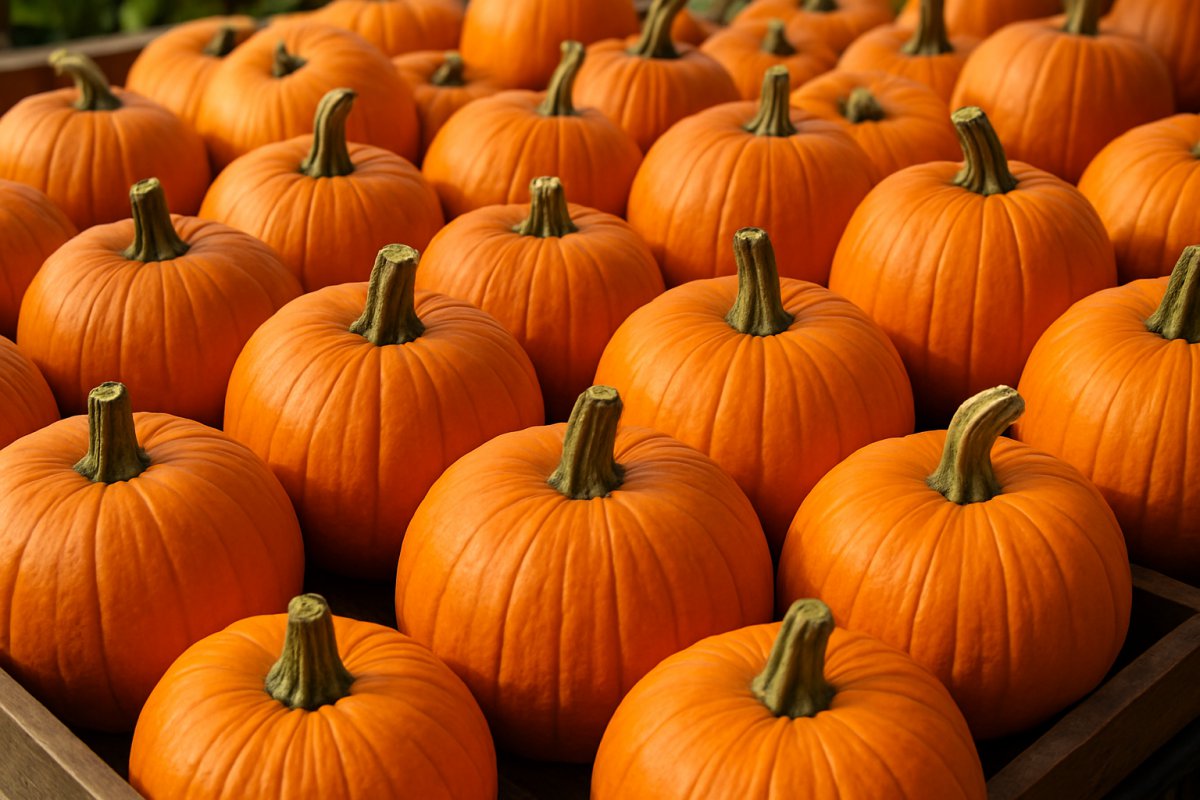
Polish pumpkin supply in 2026 is expected to decrease due to adverse spring weather and a reduced area of cultivation, with GUS estimating a combined pumpkin, zucchini, and marrow harvest of 516,000 tonnes.
According to preliminary data from the Central Statistical Office (GUS), the total domestic harvest of pumpkin, zucchini, and marrow in Poland for 2026 is estimated at approximately 516,000 tonnes. This forecast reflects a reduction in overall field vegetable production, which is expected to drop by 4.5% year-on-year due to unfavourable weather conditions and a smaller cultivation area.
The spring season was marked by cold spells, late frosts, and a lack of rainfall, which delayed fieldwork and caused uneven and late emergence of many vegetable crops, including pumpkins. Farmers in various regions were required to activate irrigation systems earlier than in previous years, increasing production costs. Localised frost damage at the end of April affected some early-planted pumpkins and other field vegetables.
In June and July, rainfall improved soil moisture and benefited plant growth, but the end of June brought heatwaves with temperatures exceeding 35°C, temporarily restricting vegetative growth. These high temperatures, combined with earlier drought stress, limited the yield potential for pumpkins in several regions. GUS notes significant variability in crop condition across the country, with yields differing both regionally and locally.
No concrete wholesale or farm-gate prices for pumpkins have been reported for early August 2026. Market participants indicate that the main harvest period is approaching, but lower supply is anticipated compared to 2025. No details have been provided regarding Polish pumpkin exports, imports, or buyer demand at this stage of the season.
The combination of spring frost, early summer drought, and subsequent heatwaves has also contributed to increased disease and pest pressure in pumpkin fields, prompting more intensive plant protection measures in some areas.
Material prepared by the editorial team of fresh-market.info, editor Artur Spiker · Illustrative image generated by AI