

Poland: Apple Prices Drop as June Exports Stall and Stocks Remain High
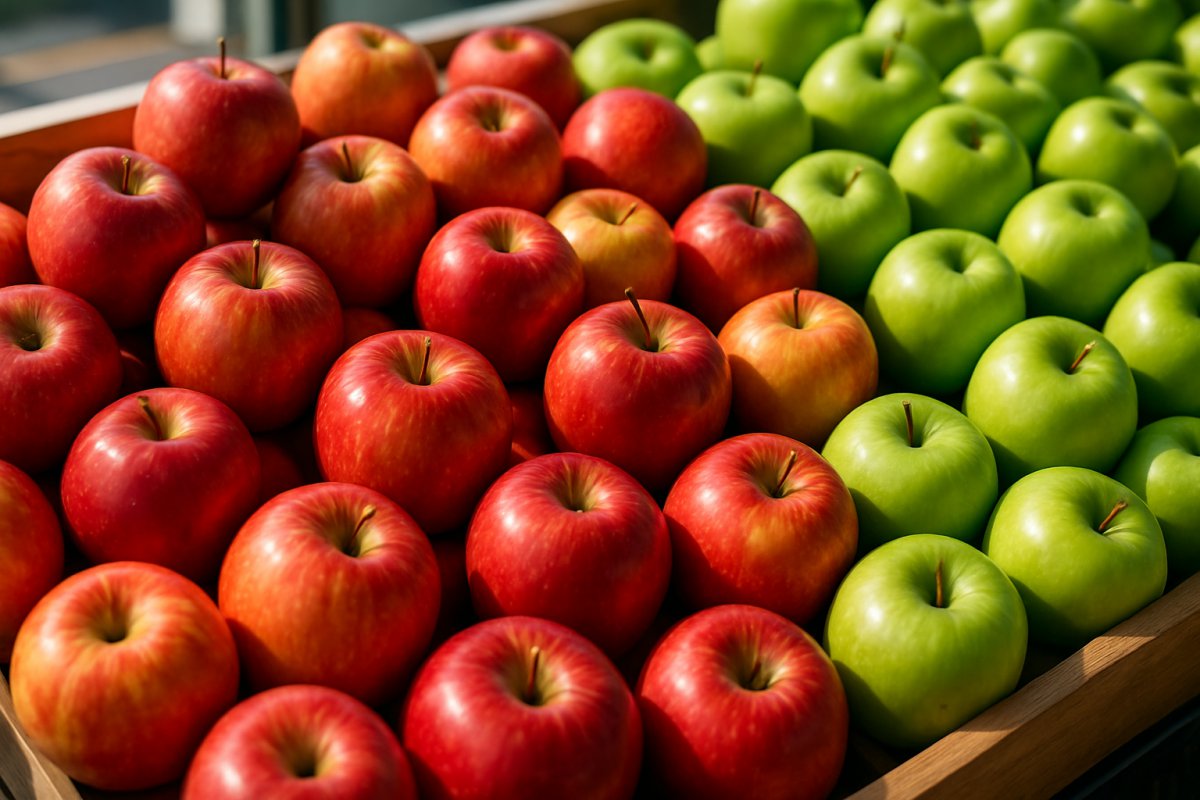
Polish apple farm-gate prices fell at the end of the 2025/26 season, with weak domestic and export demand and high stocks weighing on the market. June 2026 exports reached 21,209 tonnes, with significant unsold volumes remaining in cold storage.
Average farm-gate prices for first-class dessert apples in Poland fell to €0.34/kg (1.46 PLN/kg) at the turn of June and July 2026, down nearly 10% compared to a month earlier. Standard varieties saw price drops between 7% and 9%. The average price in May and June was €0.58/kg (2.52 PLN/kg). The decline was attributed to higher-than-expected supply, as many growers delayed sales, resulting in larger stocks than anticipated both in Poland and across Europe.
Export activity in June 2026 was subdued, with Poland shipping 21,209 tonnes of apples to 21 non-EU countries. Key destinations included Belarus (5,773 tonnes), Kazakhstan (4,304 tonnes), India (1,983 tonnes), Egypt (1,930 tonnes), Ukraine (1,760 tonnes), and Jordan (1,570 tonnes). Despite a year-on-year increase from June 2025 (12,964 tonnes), exports remained below June 2023 (29,487 tonnes) and June 2022 (23,206 tonnes). Large unsold stocks persisted, with 227,000 tonnes of apples reported in Polish cold stores as of 1 June 2026, up 18.3% from the previous year.
Domestic demand for apples weakened in late spring and early summer, with both Polish and foreign buyers purchasing smaller quantities. Some dessert apples from cold storage were redirected for NFC juice production due to sluggish sales and time pressure. European stocks also remained high, limiting upward price movement and further dampening demand.
Polish apple exporters may soon face additional challenges, as Kazakhstan is preparing a regulation to ban apple imports from 1 August to 31 December 2026. This could affect one of Poland’s major export destinations.
Discussions about opening new export markets are ongoing, with a recent Polish-Kenyan meeting highlighting Africa—especially Kenya—as a potential growth area for apple exports. However, these opportunities depend on meeting import requirements and building trade relationships.
Material prepared by the editorial team of fresh-market.info, editor Artur Spiker