

Poland: Raspberry Supply Impacted by Heat, Market Prepares for Autumn Harvest Wave
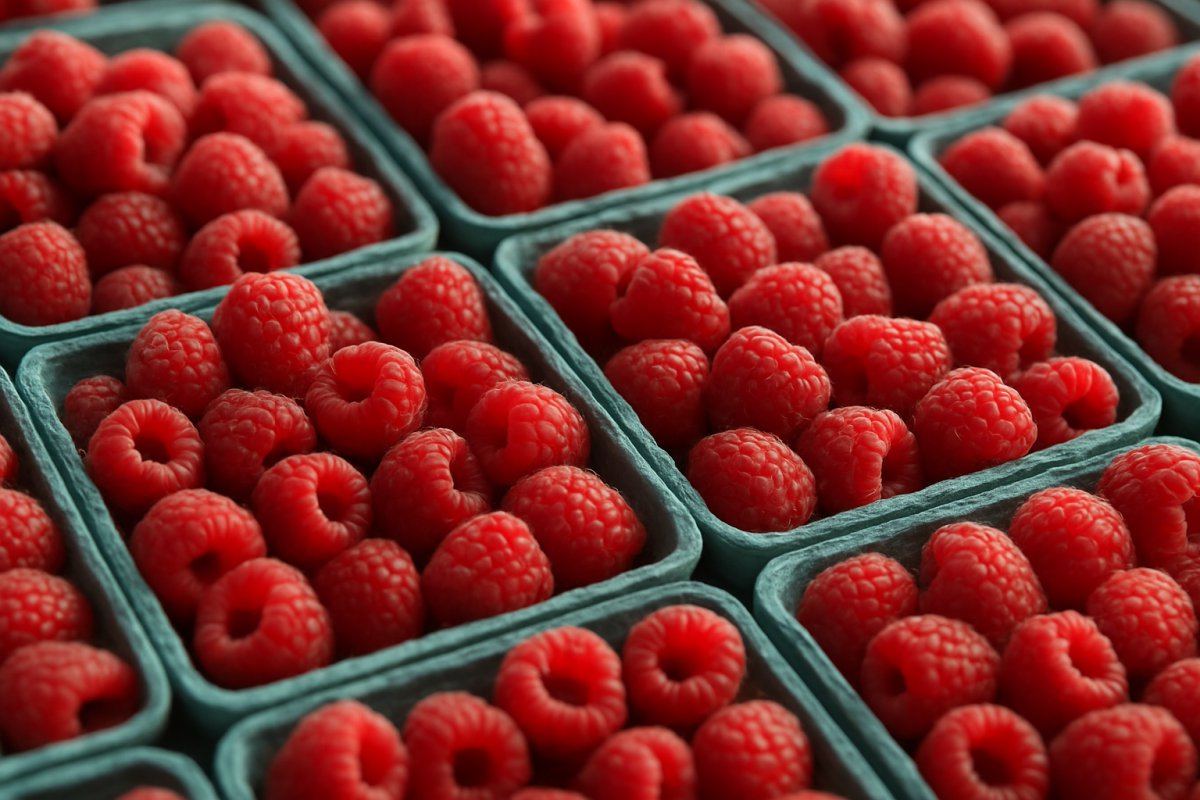
The recent heatwave has shortened the gap between summer and autumn raspberry harvests in Poland, with growers already seeing flower clusters and fruit set for the next picking cycle. Wholesale prices and volumes remain highly sensitive to weather and pest pressures.
Polish raspberry production is currently transitioning between the end of the summer harvest and the start of the autumn crop, particularly in tunnel-grown varieties like 'Enrosadira'. As of July 9, flower clusters and first fruit sets are already visible in tunnel plantations, with the next harvest wave expected to begin in about two weeks. This rapid turnover is a direct result of the recent high temperatures, which accelerated plant development and required immediate removal of old canes to stimulate new growth.
Growers report that the summer heat has necessitated enhanced protective measures, such as drone-applied shading paint in tunnels, which reduced internal temperatures by 3–4°C compared to unshaded tunnels. This intervention has been critical to preserving fruit quality and yield during recurring heatwaves. Additionally, some plantations suffered from severe mite infestations in the previous season, which, combined with weather stress, weakened plants and required intensive post-harvest regeneration programs to restore root and shoot health.
The domestic market remains highly dependent on weather-driven supply fluctuations. While specific wholesale or farm-gate raspberry prices for July 2026 are not detailed in the available sources, the overall sector's export performance remains strong. In 2025, Polish exports of fruits and fruit products—including raspberries—reached approximately €2.4 billion, with berries being a key contributor to this figure. Poland continues to be among the leading raspberry producers and exporters in Europe, supplying both fresh and processed fruit to EU and non-EU markets.
Demand for Polish raspberries is supported by the reputation for quality and the extensive infrastructure for sorting, cooling, and logistics. However, the short interval between harvest waves and the impact of heat and pests may influence volumes and market consistency in the coming weeks. The sector's resilience relies on rapid crop turnover and the ability to maintain plant health through changing weather patterns.
Material prepared by the editorial team of fresh-market.info, editor Artur Spiker