

Polish Sour Cherry Harvest Delayed, Supply Down 50%, Prices Unsettled
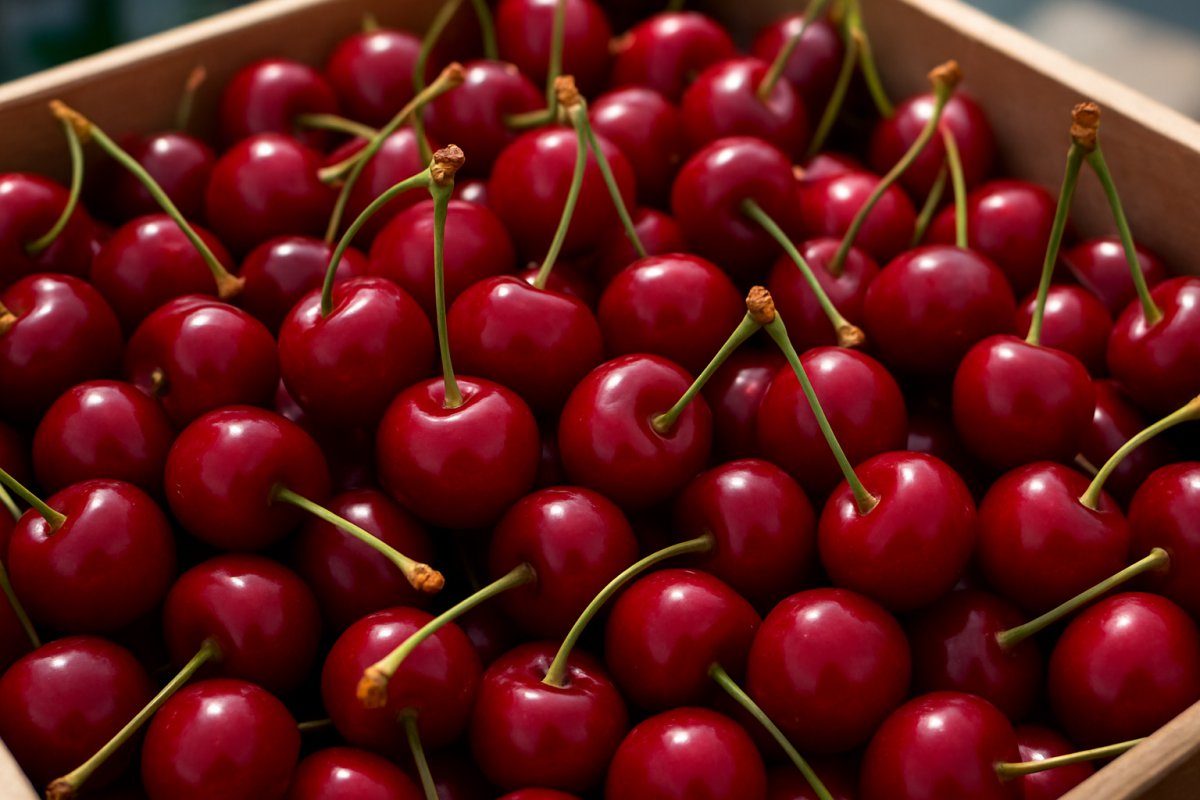
The Polish sour cherry harvest in 2026 is significantly delayed and forecast at about half of last year's volume, with trade still awaiting clear farm-gate prices as supply concerns dominate.
Harvesting of sour cherries in Poland is set to begin around two weeks later than usual in 2026, with fruit still green in mid-June and some regions only reaching pit-size. Producers and buyers are closely monitoring the situation in Poland as well as in Hungary and Serbia, with no official farm-gate price set yet for the new season as of June 18.
Supply in Poland is expected to be sharply reduced. Industry estimates suggest the national crop could be about 50% of last year’s, mainly due to spring frosts, drought, and local hailstorms. The most affected areas include Lublin region, the Vistula valley, and Biała Rawska, all of which suffered significant losses. Early varieties were hit by bacterial canker following frost, further limiting both quality and quantity.
The main production regions for sour cherries in 2026 are Świętokrzyskie (5,741 ha), Mazowieckie (5,535 ha), Lubelskie (3,129 ha), Łódzkie (2,660 ha), and Wielkopolskie (1,474 ha), with Biała Rawska (Łódzkie) being the largest single cherry-growing municipality at 898 ha. The delayed season and reduced yields are expected to limit availability for both fresh and processing markets.
Wholesale and farm-gate prices remain undetermined as of mid-June, with industry and growers awaiting the first transactions. In Serbia, which is a key competitor and supplier to Polish processors, producers are demanding €1.0–1.5/kg (4.3–6.5 PLN/kg) at the farm-gate, with some calls for even higher levels. These price expectations are being closely watched by Polish market participants, as Serbia anticipates a bumper crop, while Hungarian output is forecast at only 30,000 tonnes, 20–30% below even last year’s poor result.
Weather events have directly impacted the Polish crop, with severe spring frosts and drought followed by local heavy rains and hail in June. This has led to highly uneven fruit set and significant variability in yields between orchards and regions.
Compiled from Polish trade press (2026-06-18)