
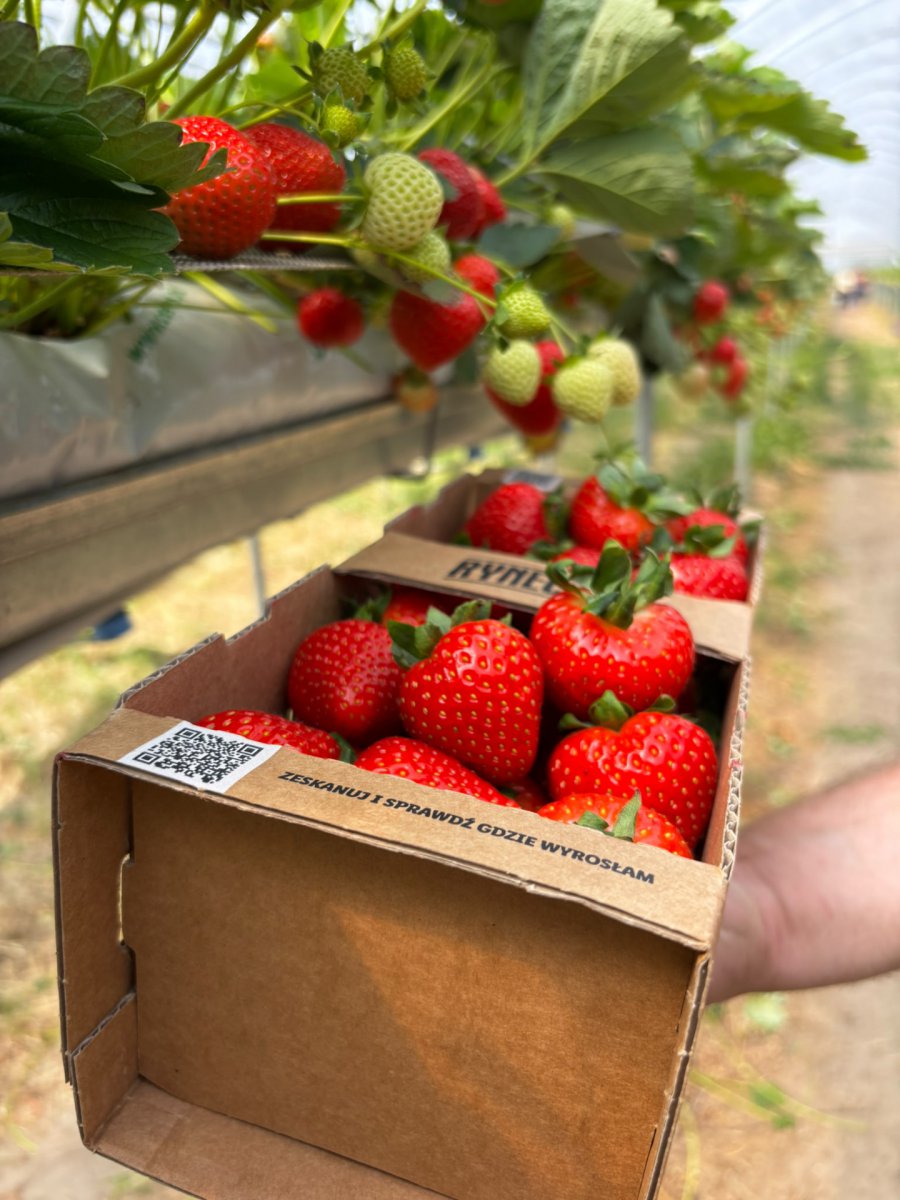
While shopping at one of the retail chains, we came across a clever idea connecting the retailer with the producer. On a punnet of strawberries — bought at Lidl Polska — there was a QR code with a simple invitation: „scan me". After scanning it with a phone, we were taken straight to the fruit producer's website. It turned out to be Plantacja Rębowolska.
A scan instead of an anonymous product
It is a simple, and therefore effective, idea. Instead of an anonymous punnet — a QR code that opens the door to the producer. After scanning, the consumer lands on the farm's website, where they find what a label can never hold: the history of the farm, photos and videos from the fields, a description of the production process, and information about the quality and freshness of the fruit.
In the place where contact with the consumer usually ends — that is, on the shelf — the story begins here. This solution fits perfectly into the „farm to fork" idea: it shows where the product comes from and who stands behind it.
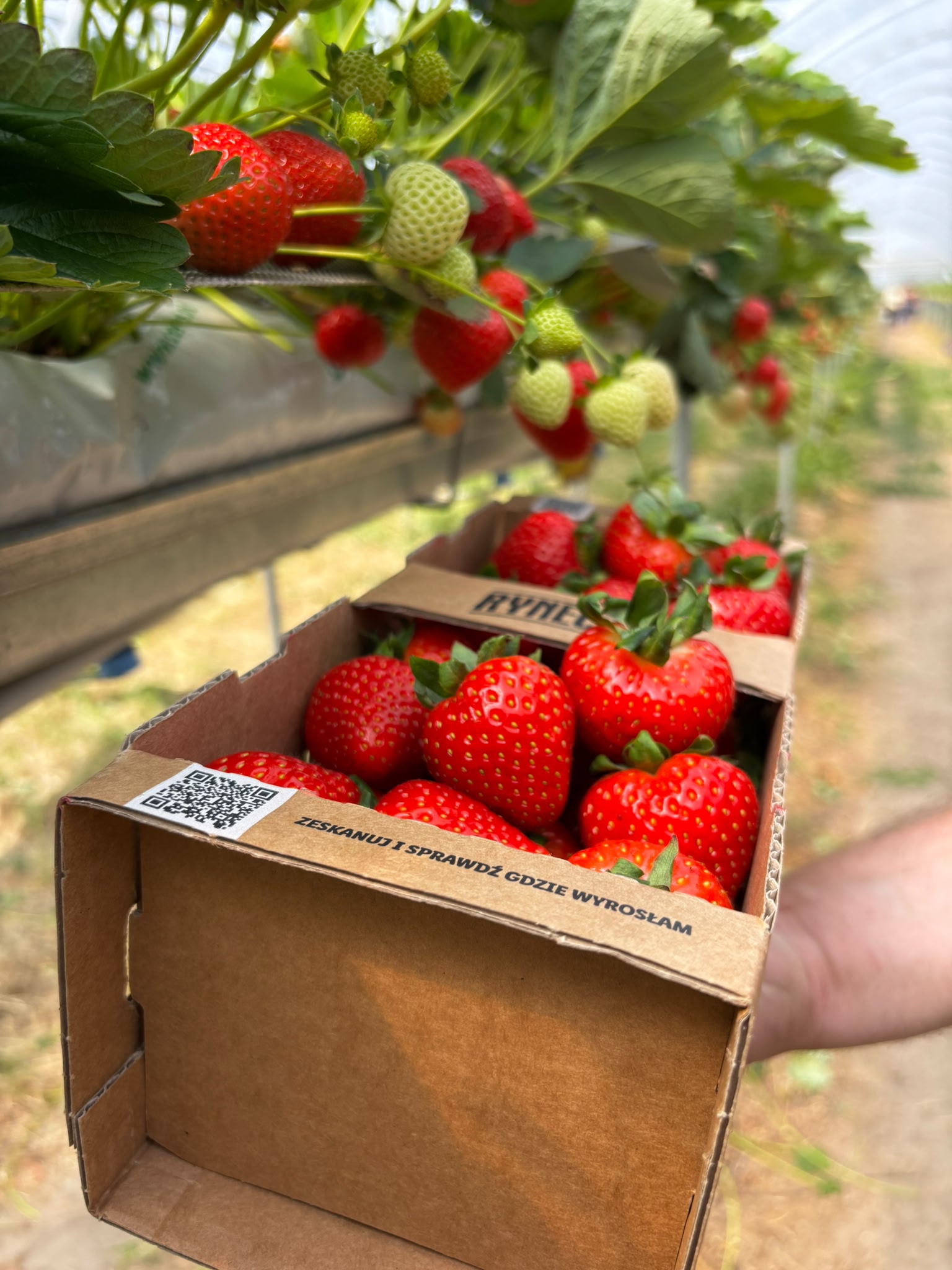 Strawberries from Plantacja Rębowolska
Strawberries straight from Plantacja Rębowolska
The producer of the fruit we came across is Plantacja Rębowolska (www.plantacjarebowolska.pl) — a Polish farm specialising in the cultivation of strawberries under cover. Cultivation in tunnels makes it possible to ensure consistently high fruit quality and greater control over the entire production process.
For the Polish producer, this is a chance to show a wide audience of consumers something that is not visible day to day: modern facilities, raw-material control and the everyday work of the growers. And all of this is available to the shopper in a few seconds — all it takes is a phone.
„Today's consumers want to know more — where their food comes from, who produces it and how it is made. We are glad that we can show that behind every punnet of strawberries there is a real story, a family, technology and a great deal of work”
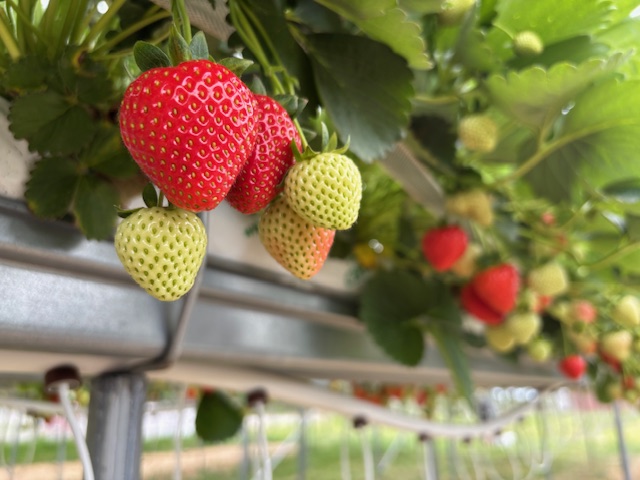 Fruit ripening on the plants in the tunnels of Plantacja Rębowolska
A step towards „farm to fork"
The idea we came across at Lidl Polska clearly shows the direction in which the trade in fresh produce is heading: shortening the distance between producer and consumer, and the growing importance of origin and transparency. A retail chain that lets the consumer check where a fruit comes from gives them something more than a product — it gives them the feeling that they know what they are buying.
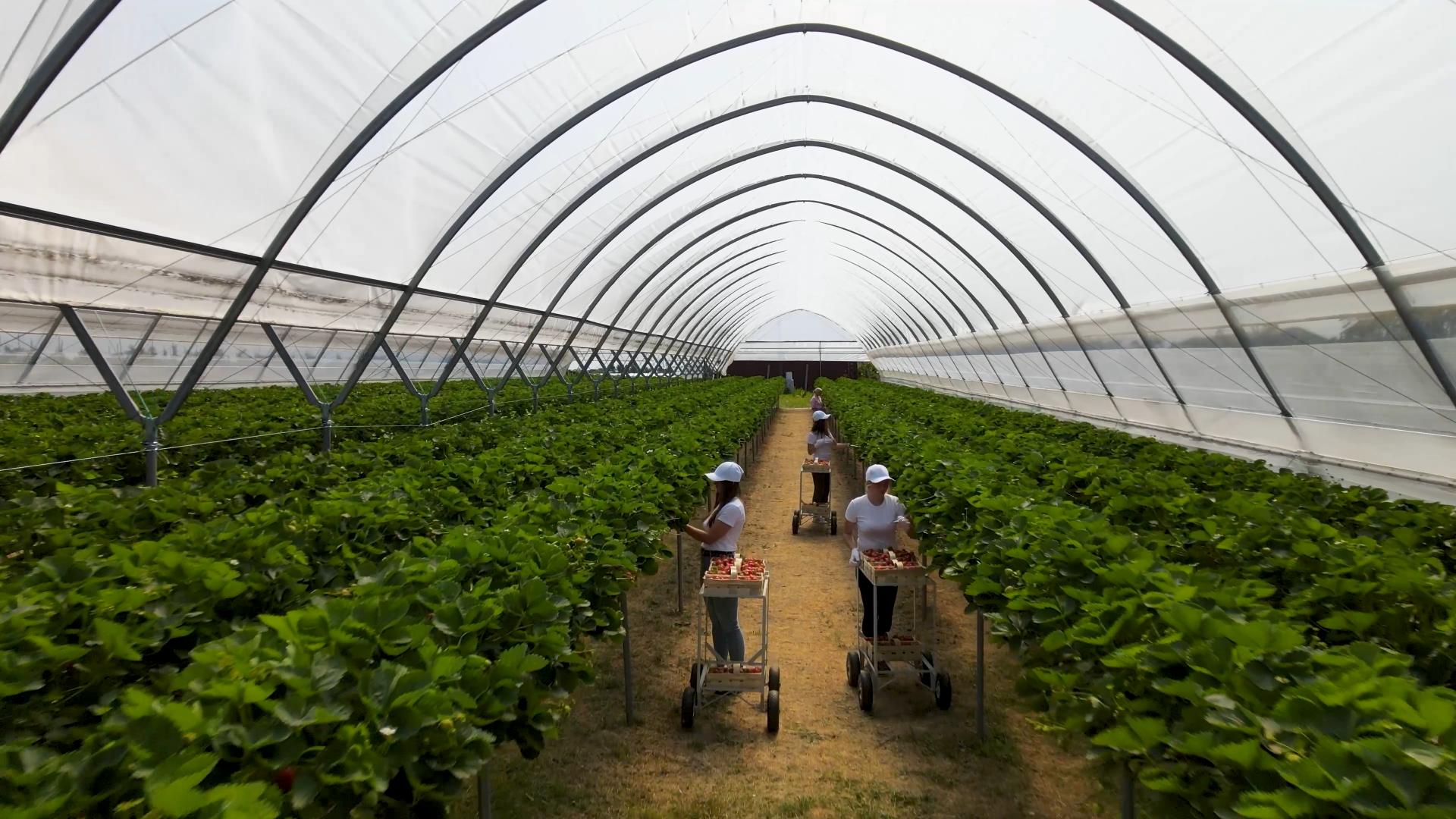
Harvesting the fruit in the tunnels of Plantacja Rębowolska
Polish strawberries are modern production today
What for the consumer is simply a tasty strawberry is in reality the result of advanced, controlled production. Cultivation under cover, attention to quality and safety at every stage, modern technologies — Polish production of soft fruit is today increasingly advanced, controlled and based on modern solutions.
„Polish agriculture is very modern today, but consumers often do not see it. We want to show that behind a local product there is technology, knowledge and great passion”
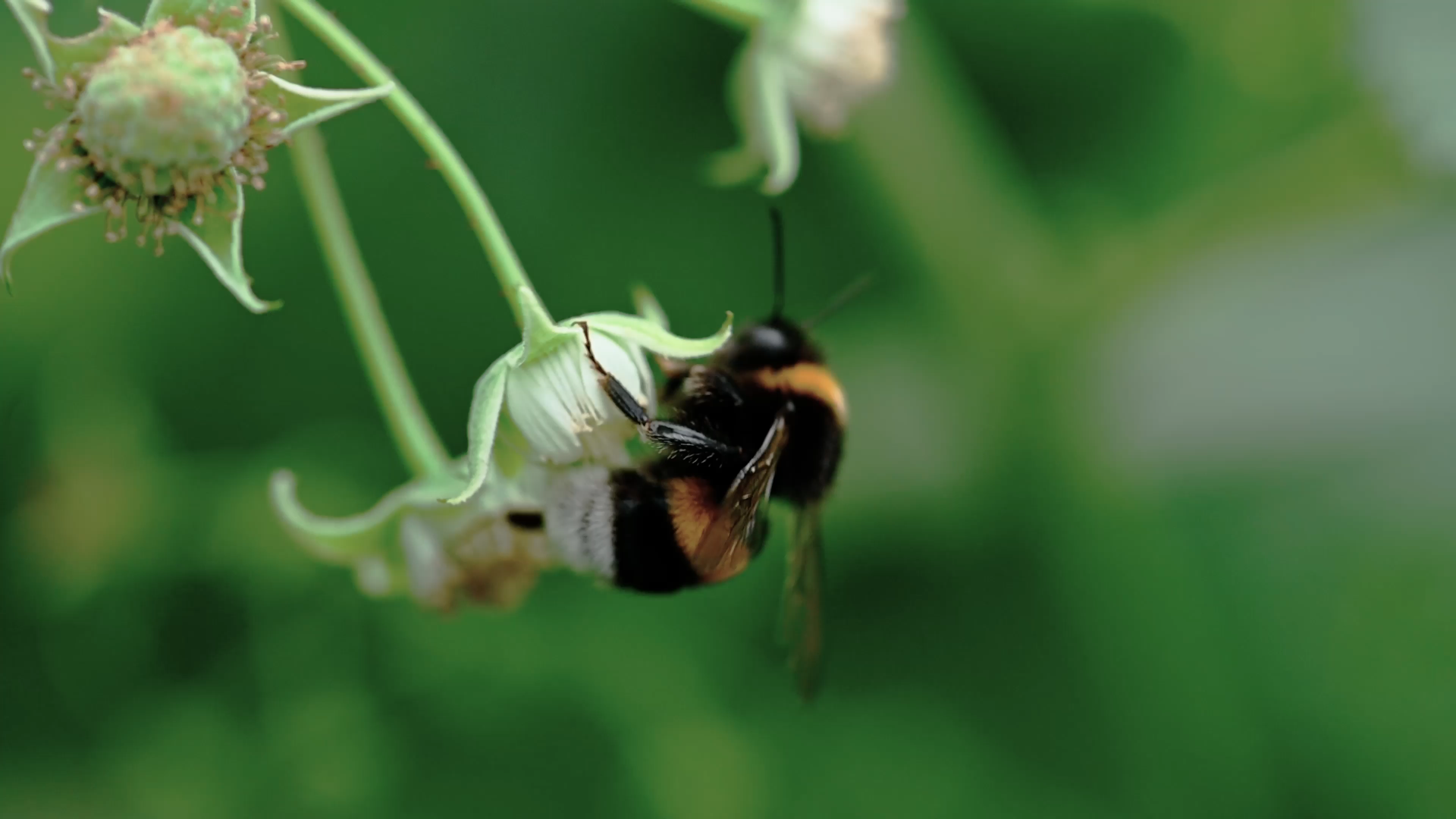
Natural pollination — bumblebees in the tunnels of Plantacja Rębowolska
And this — showing the hard but modern work of the Polish farmer — is what makes the greatest impression. The consumer is not given a ready-made „good versus bad" verdict. They are given facts: they see how a Polish strawberry from Plantacja Rębowolska grows, in what conditions and with what care. They draw their own conclusions.
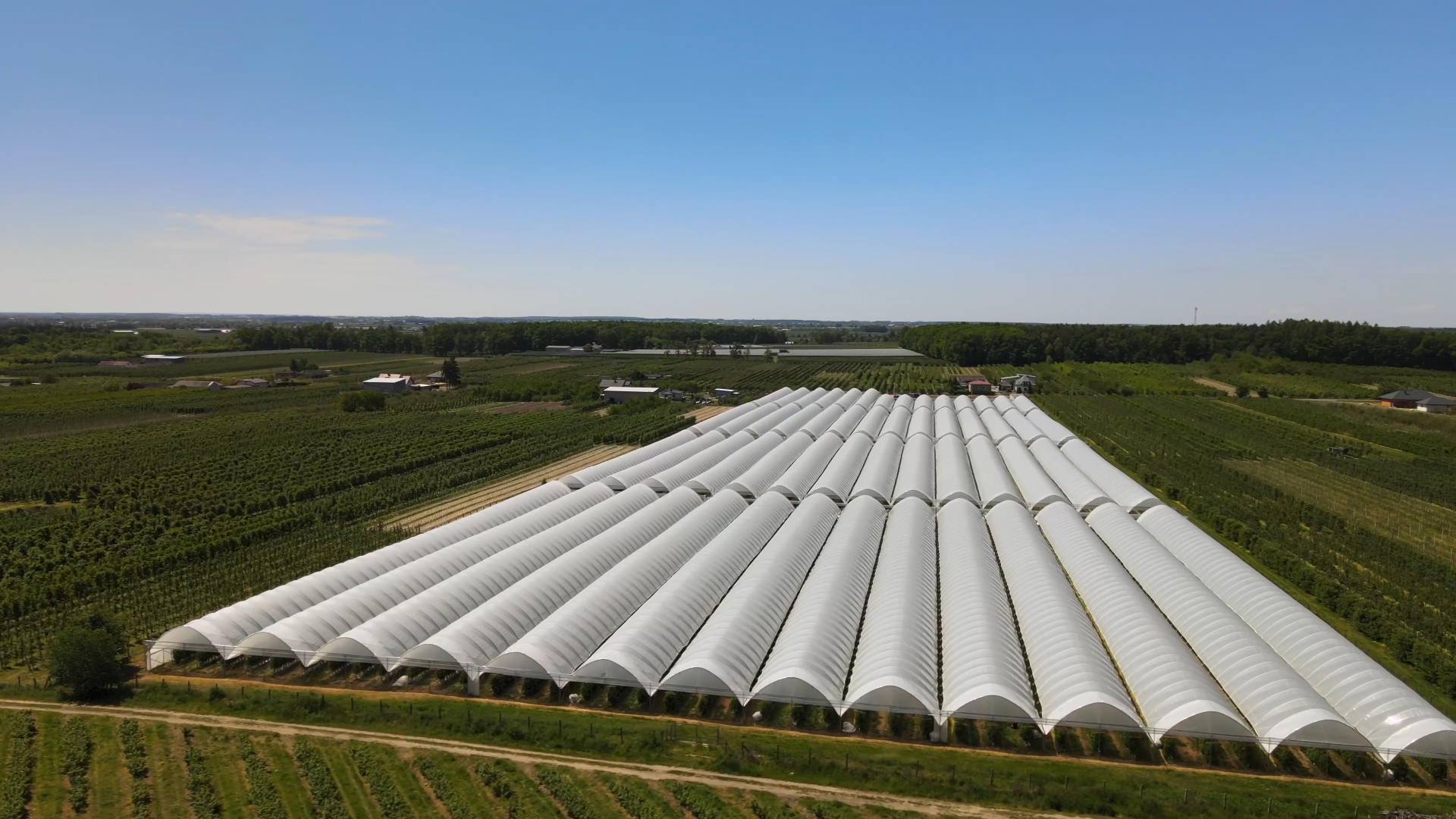
The tunnels of Plantacja Rębowolska from a bird's-eye view